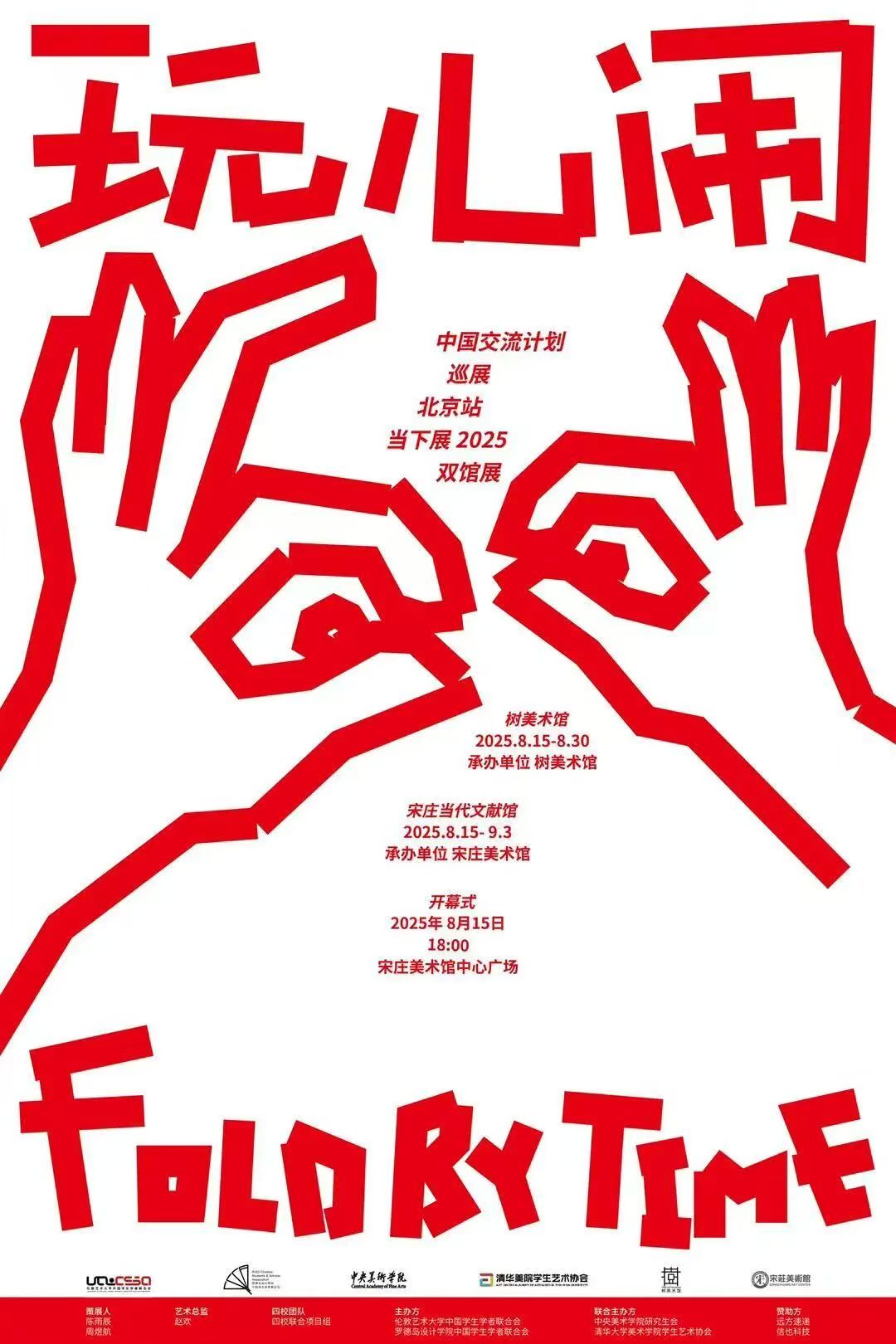
Fold By Time
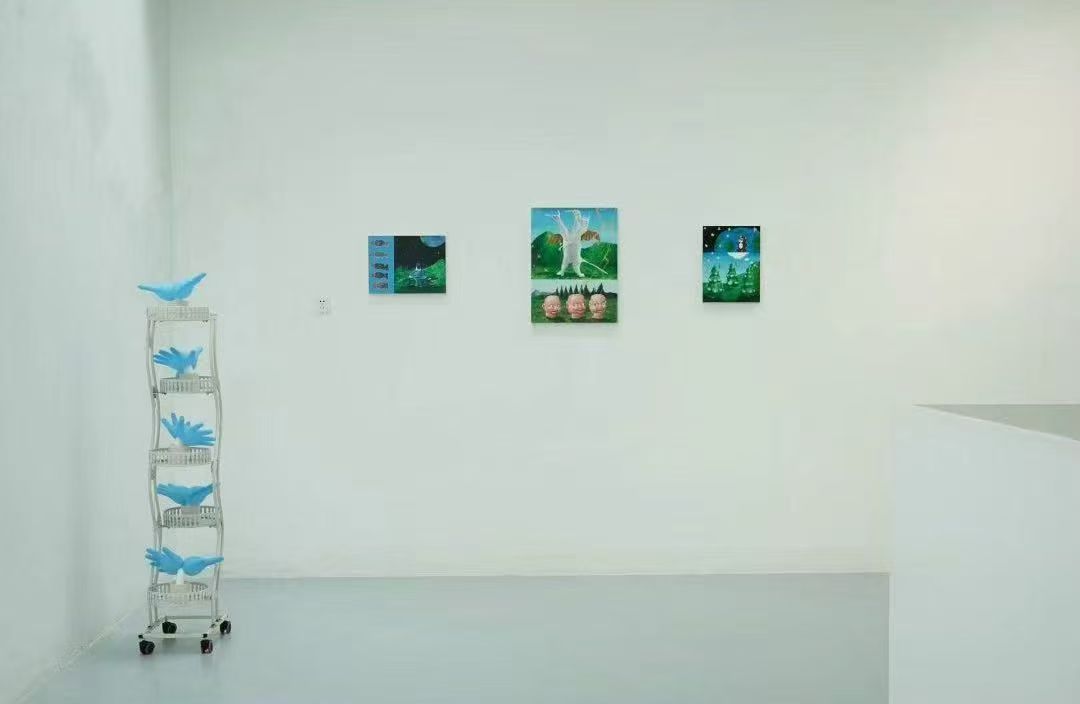
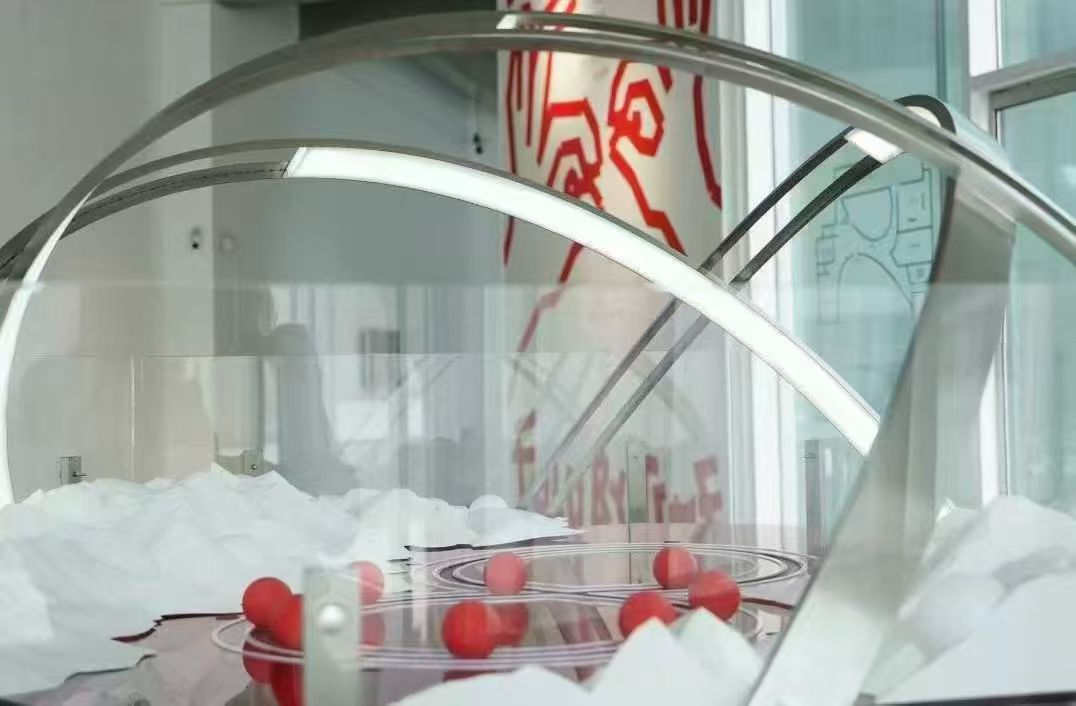
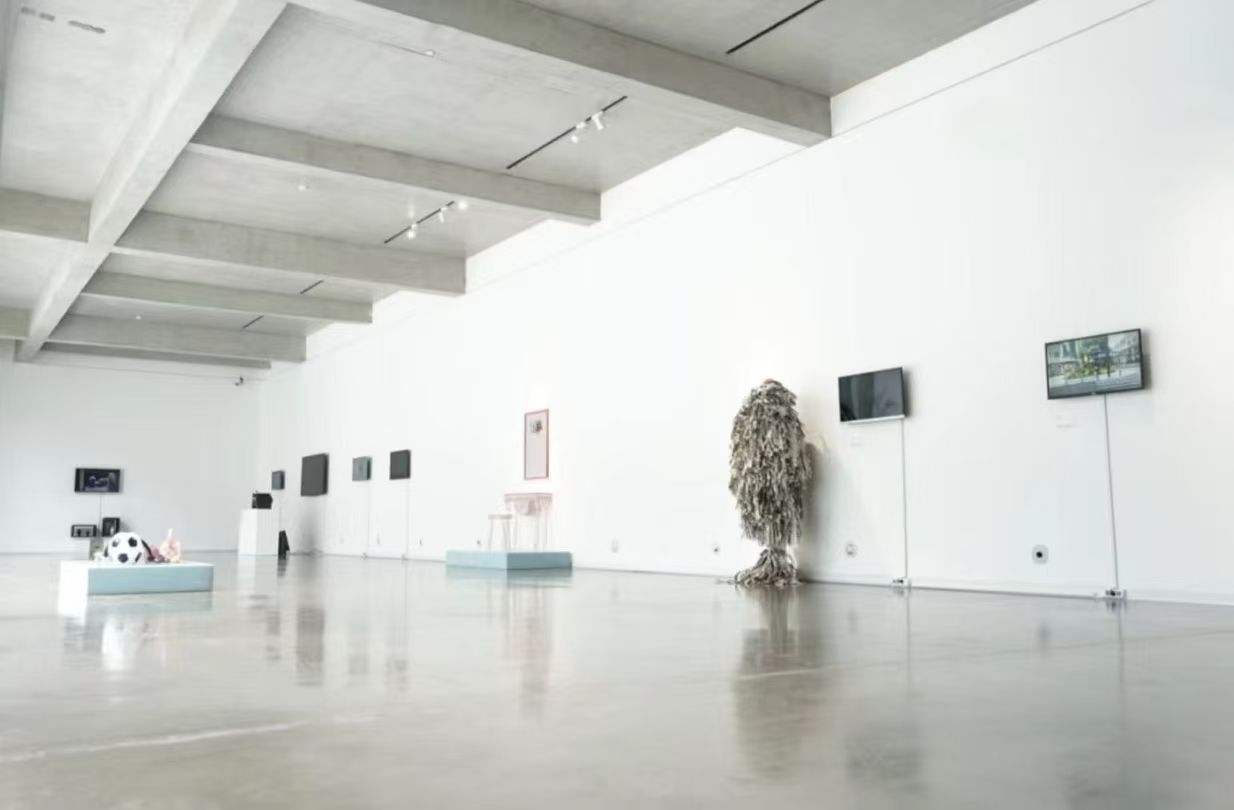
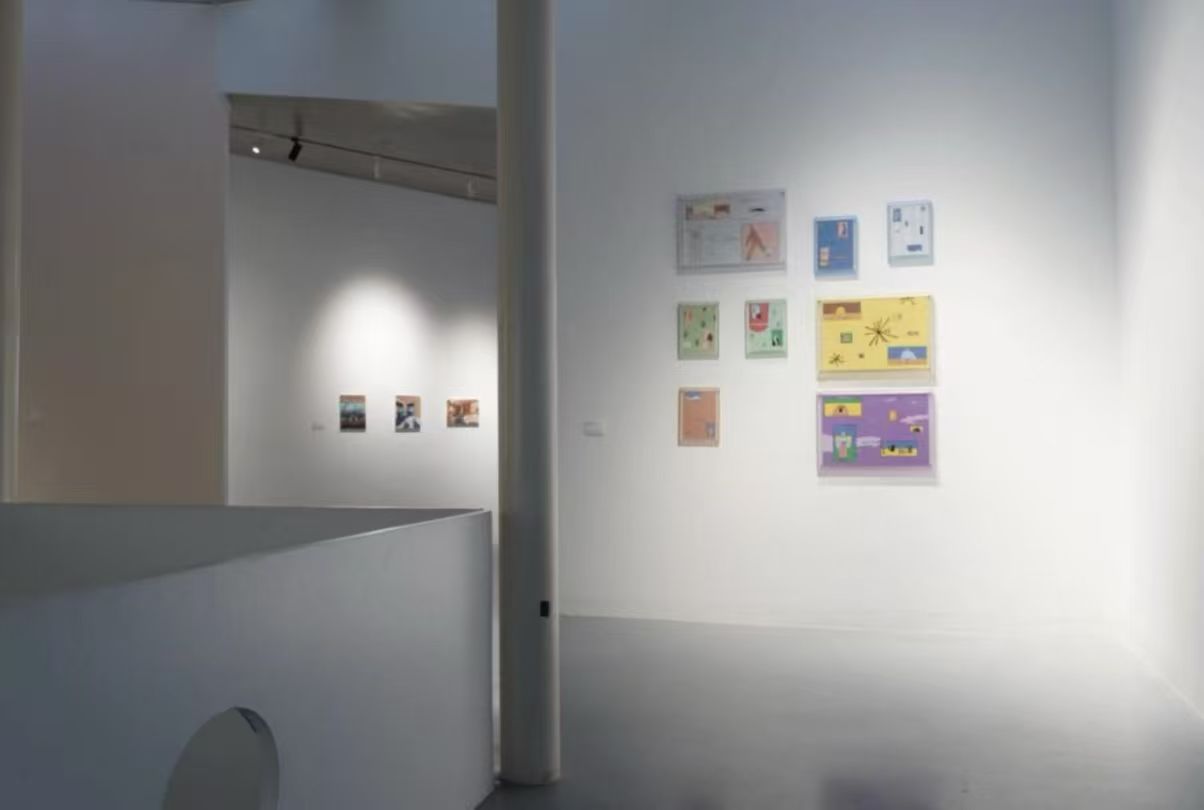
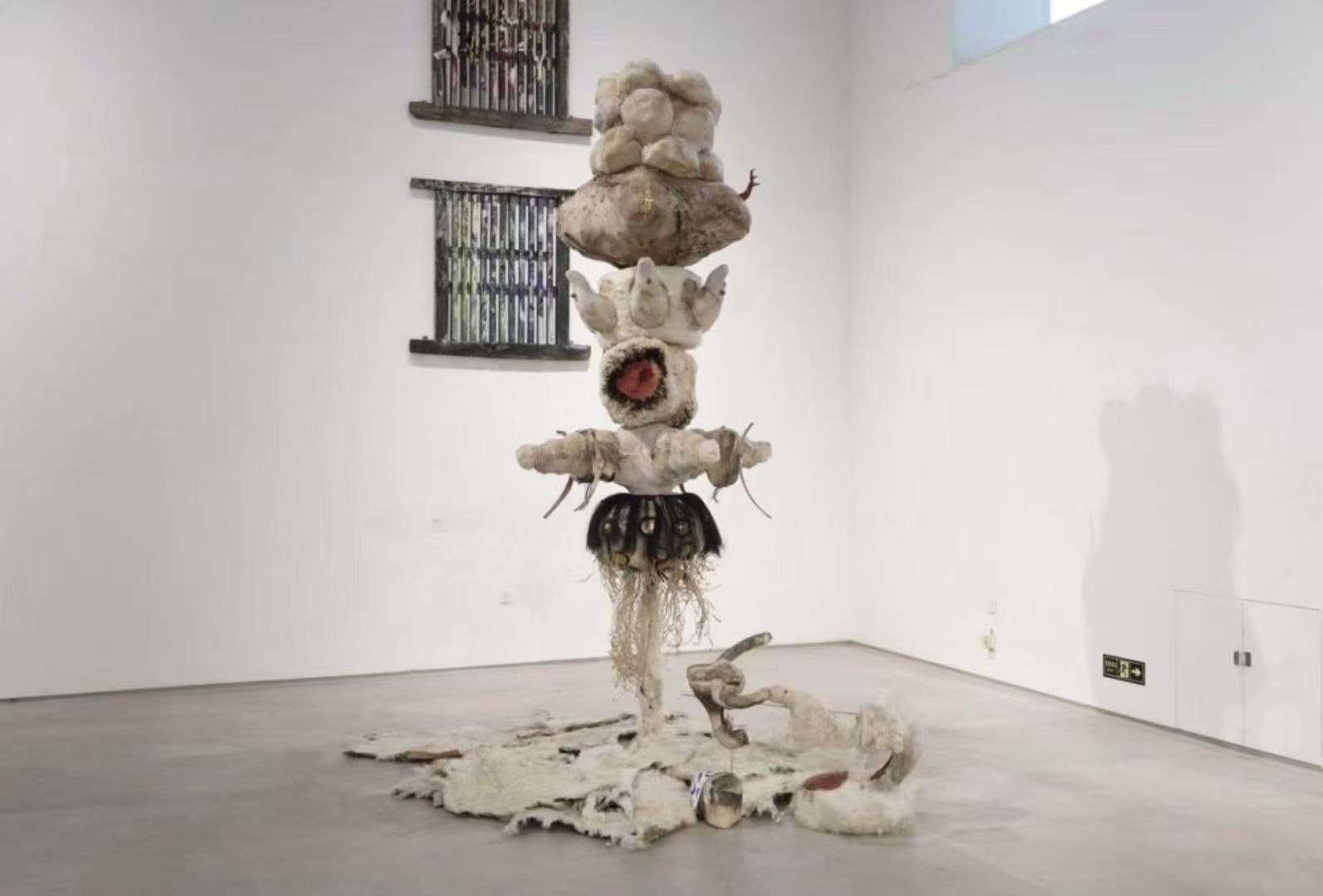
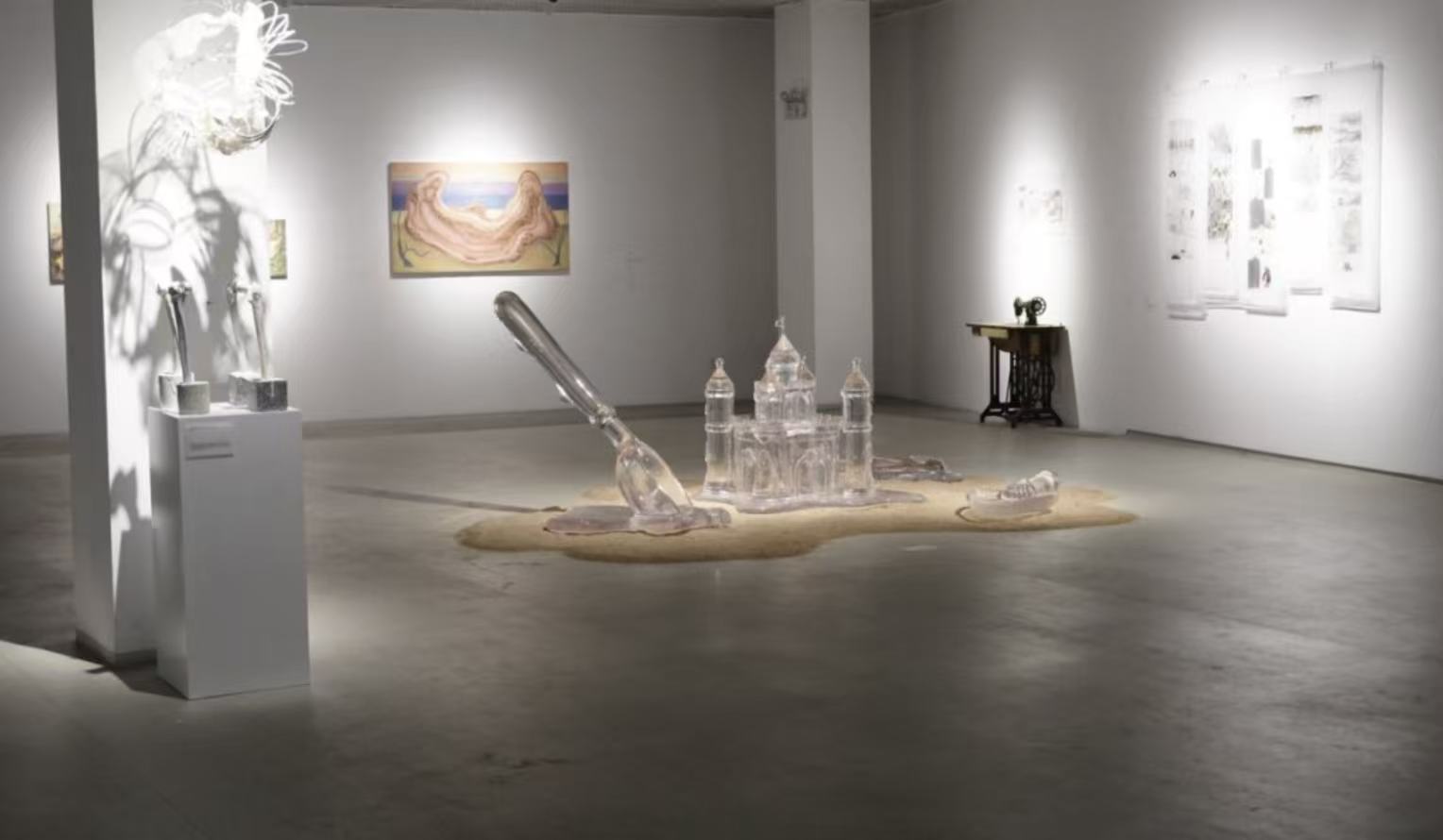
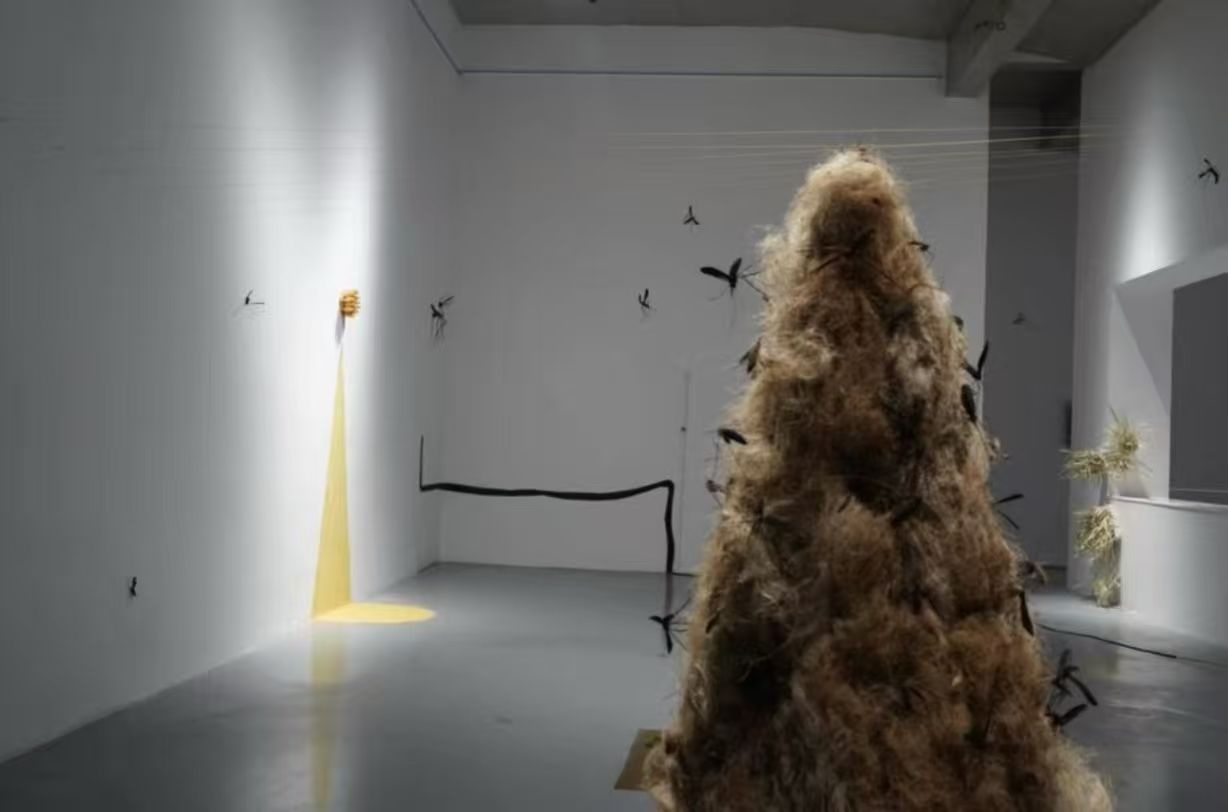
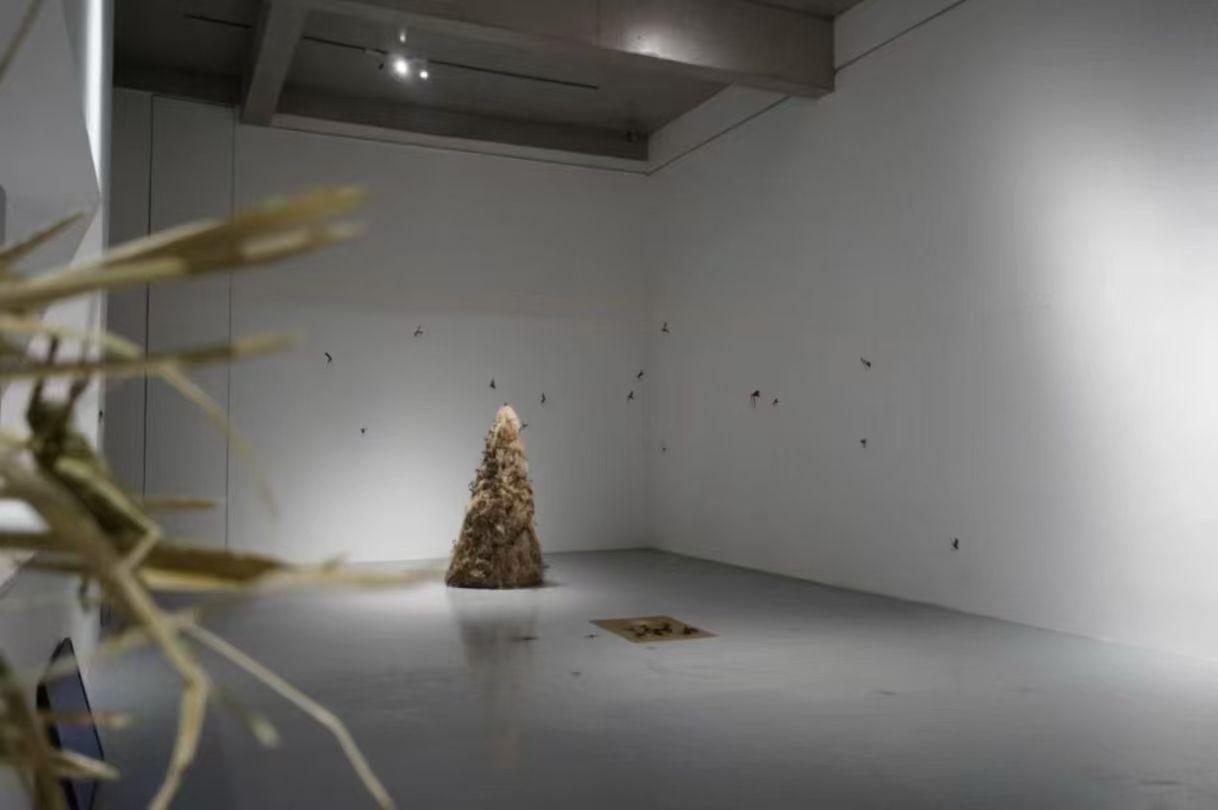
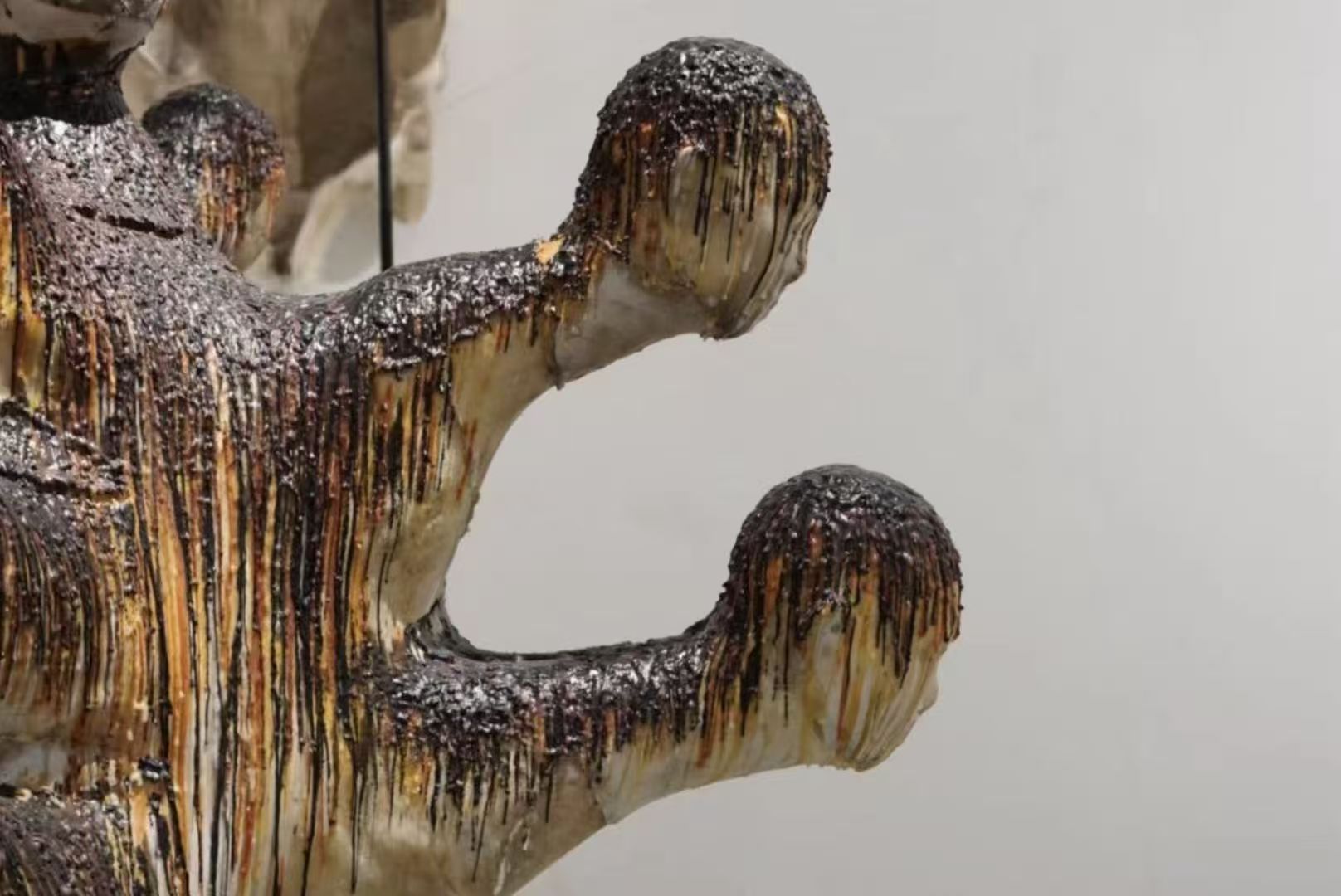
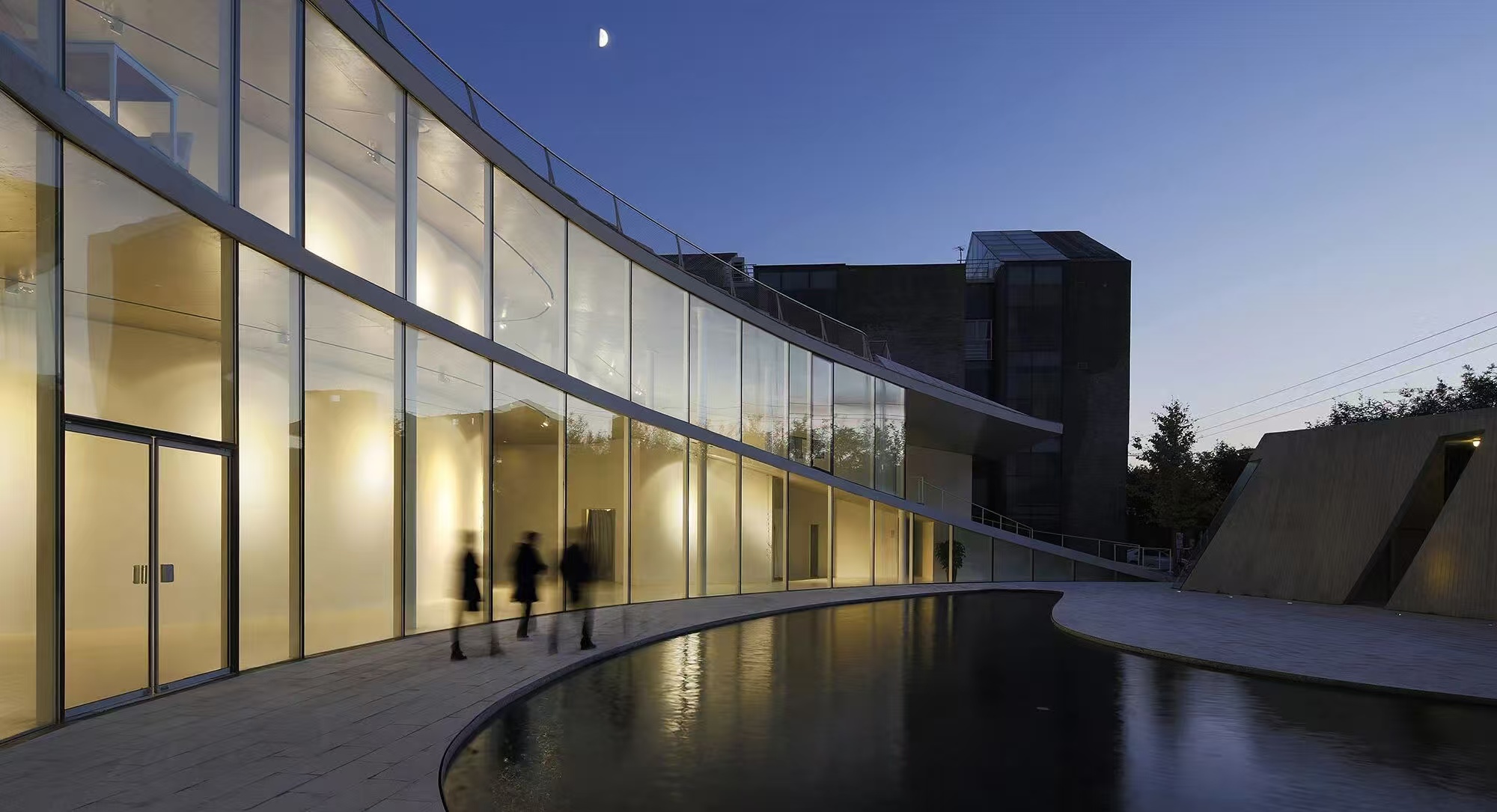
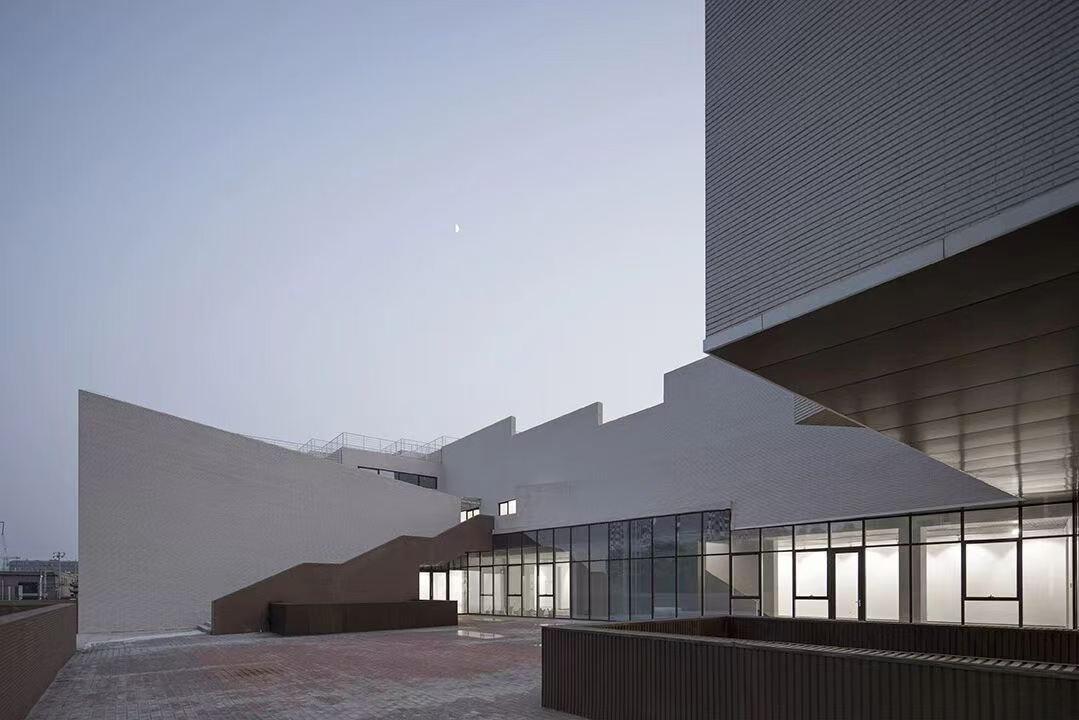
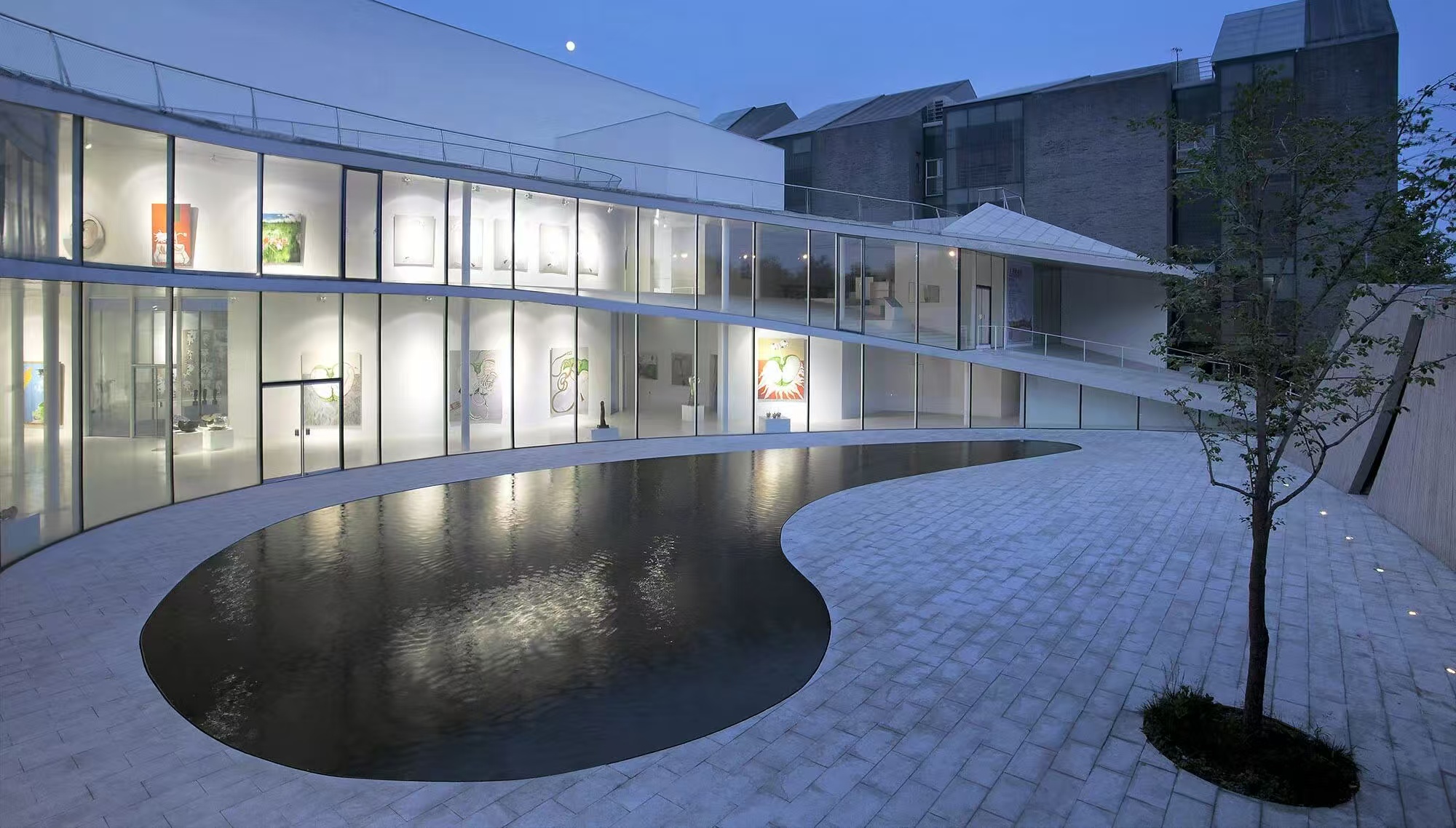
Fold by Time uses play as a method for observing the transformation of time, everyday life, and social culture. Rooted in the Beijing colloquial expression ‘玩儿闹,’ the exhibition begins with a simple question: what can the ways people play tell us about the society in which they live? Across generations, the forms of entertainment available to people have constantly changed—from improvised street games, handmade toys, elastic bands, cards, marbles, and neighborhood play, to arcades, digital games, networked entertainment, virtual environments, and increasingly technology-mediated experiences. Rather than presenting these changes as a straightforward history of toys or games, the exhibition treats play as a cultural archive. Each form of play reflects a particular relationship between individuals, communities, public space, technology, and the rhythms of everyday life. The project is divided between two museums in order to construct a spatial dialogue between different temporal directions. Songzhuang Art Museum represents the past, focusing on collective memory, earlier forms of entertainment, physical interaction, and the social environments in which previous generations experienced childhood and leisure. Tree Art Museum represents the future, shifting the exhibition toward speculation and asking how play may evolve alongside artificial intelligence, digital media, virtual environments, new interfaces, and changing patterns of social connection. The relationship between the two venues is central to the project: rather than placing the past and future at opposite ends of a linear timeline, Fold by Time imagines them as layers that can be folded together. Memories of past forms of play remain present within contemporary behavior, while imagined futures often reproduce desires, emotions, and social needs that have existed for generations. Through this temporal folding, the exhibition examines how rapid technological and social change reshapes human habits without completely erasing what came before. Play therefore becomes a way of reading time itself—a small, familiar human activity through which larger transformations in urban culture, collective memory, interpersonal relationships, and modes of living become visible.