Figures
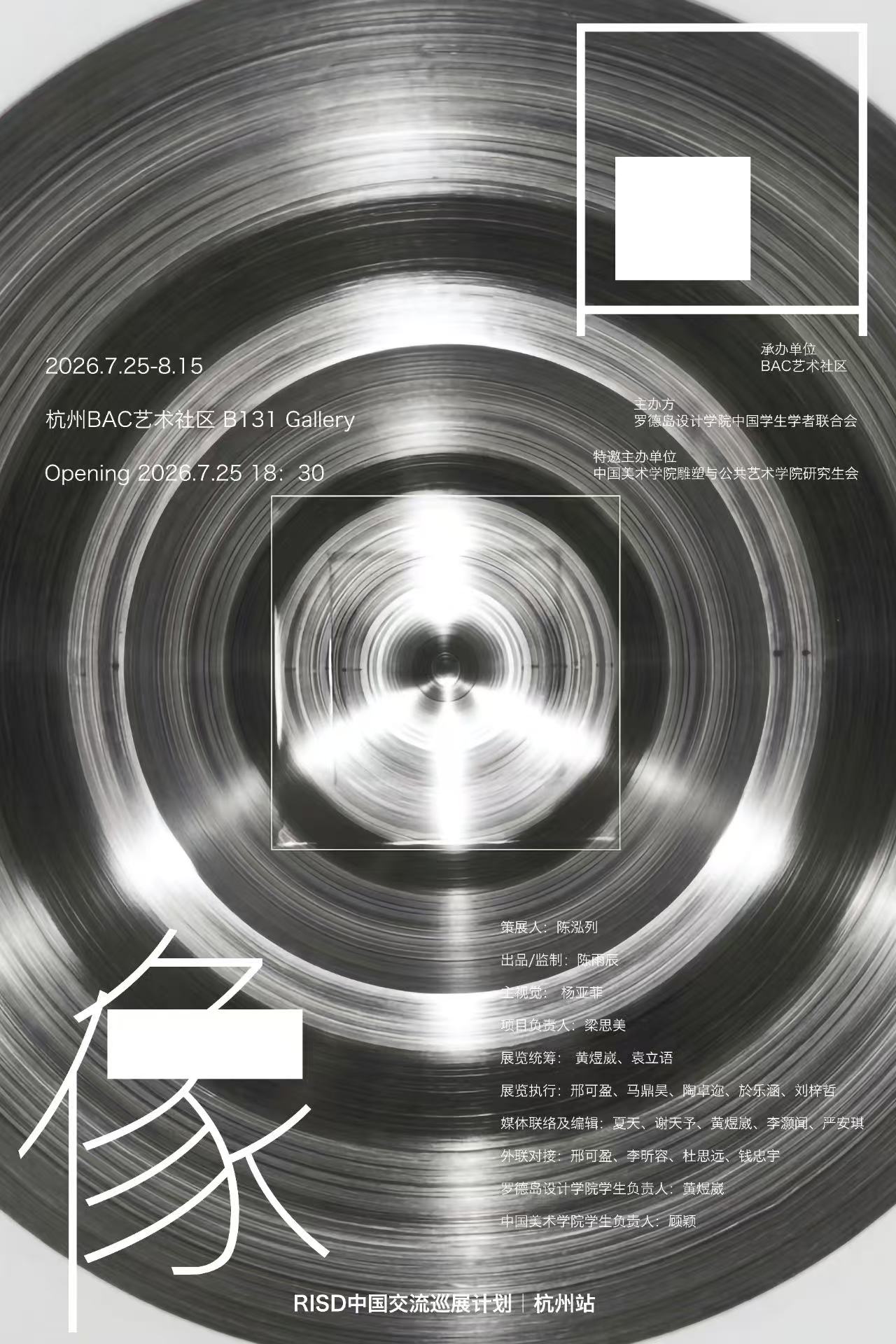
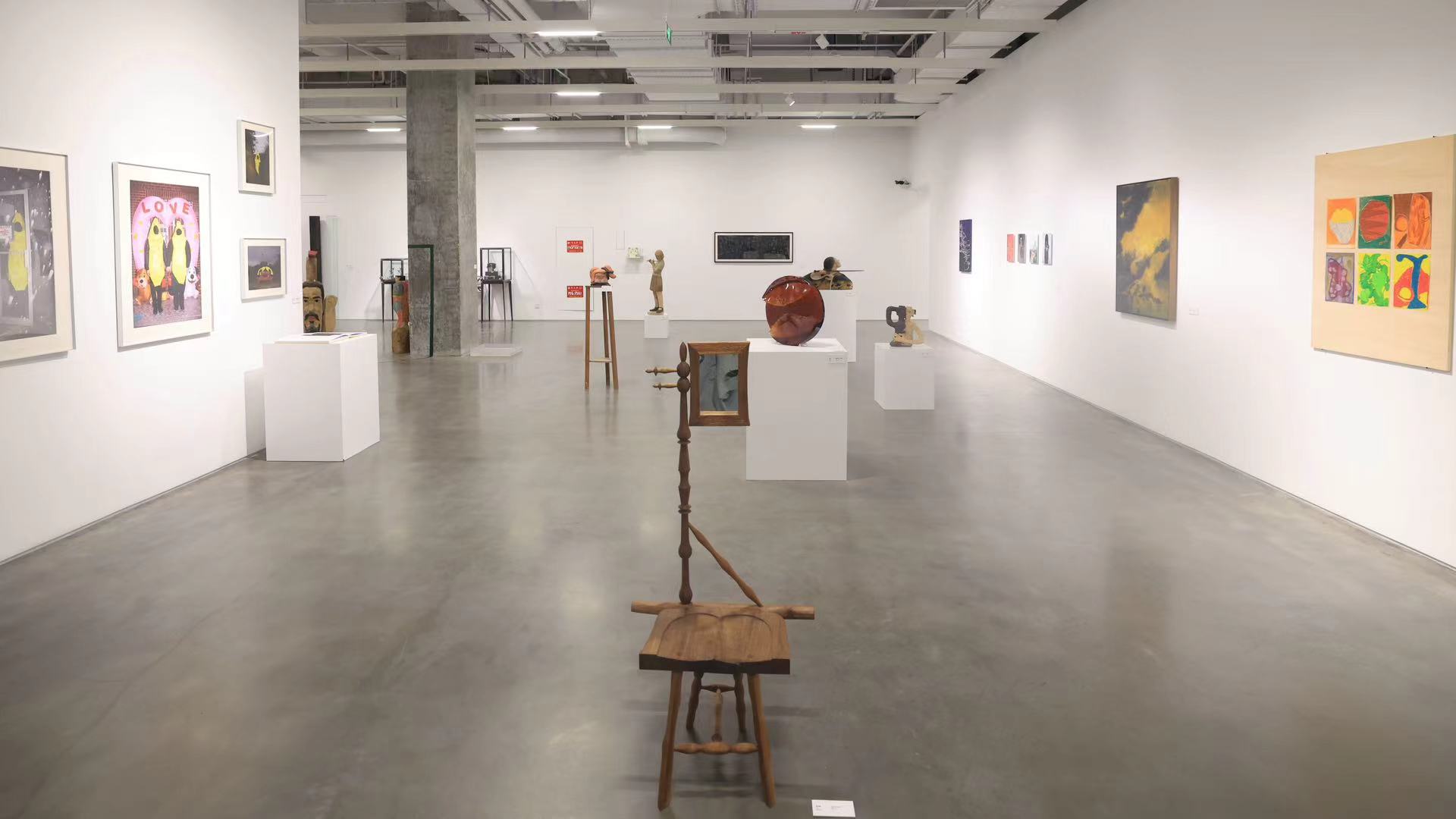
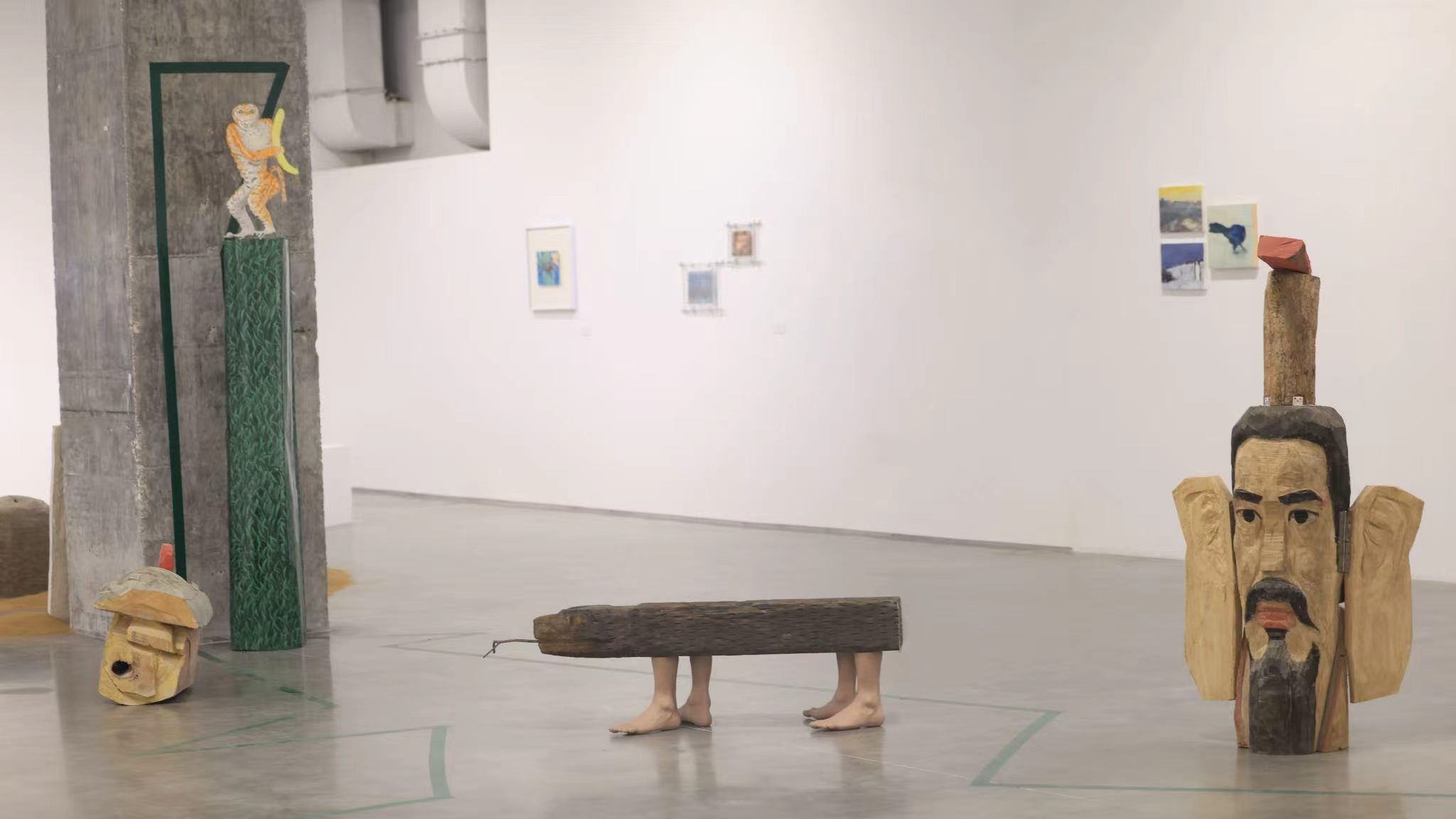
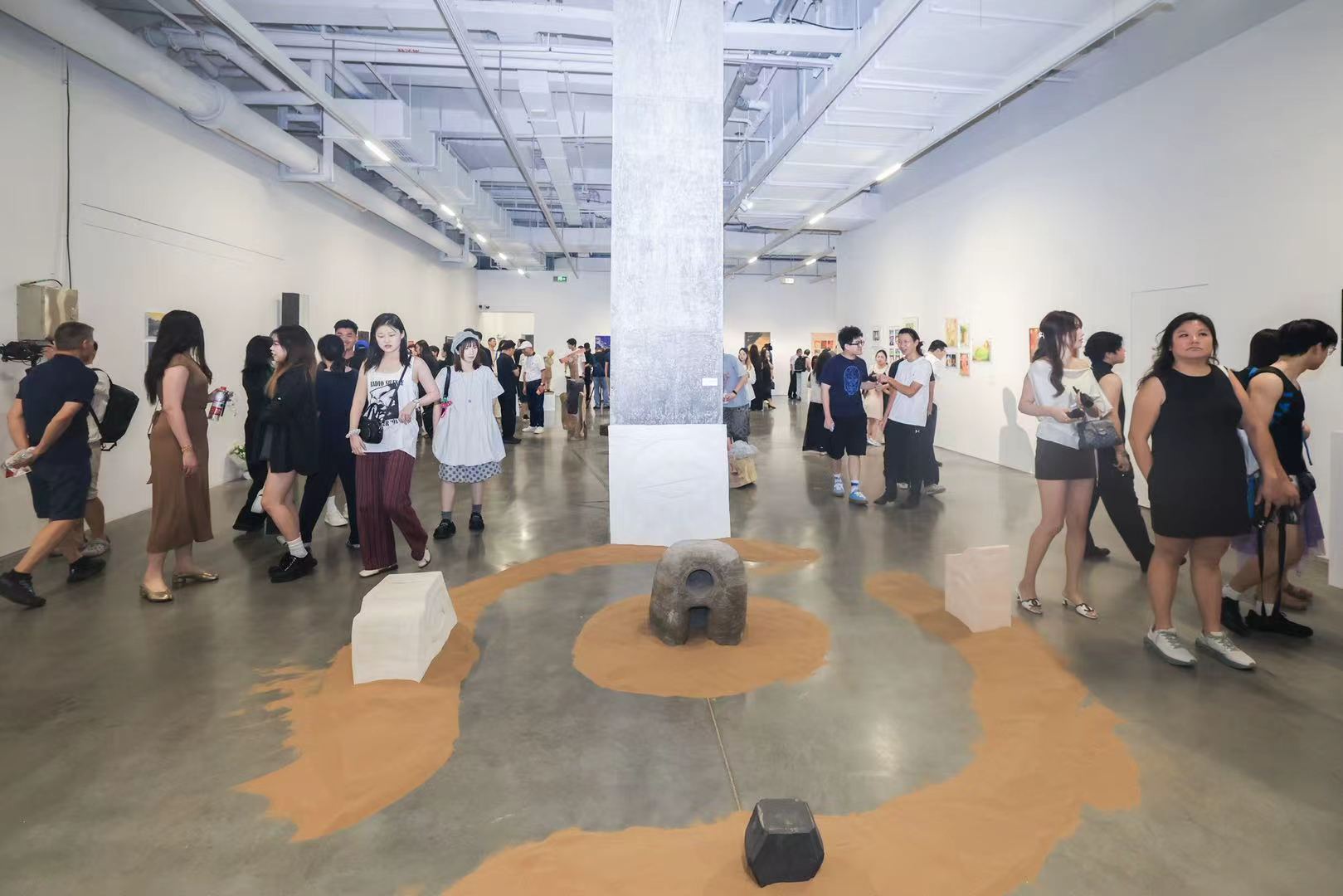
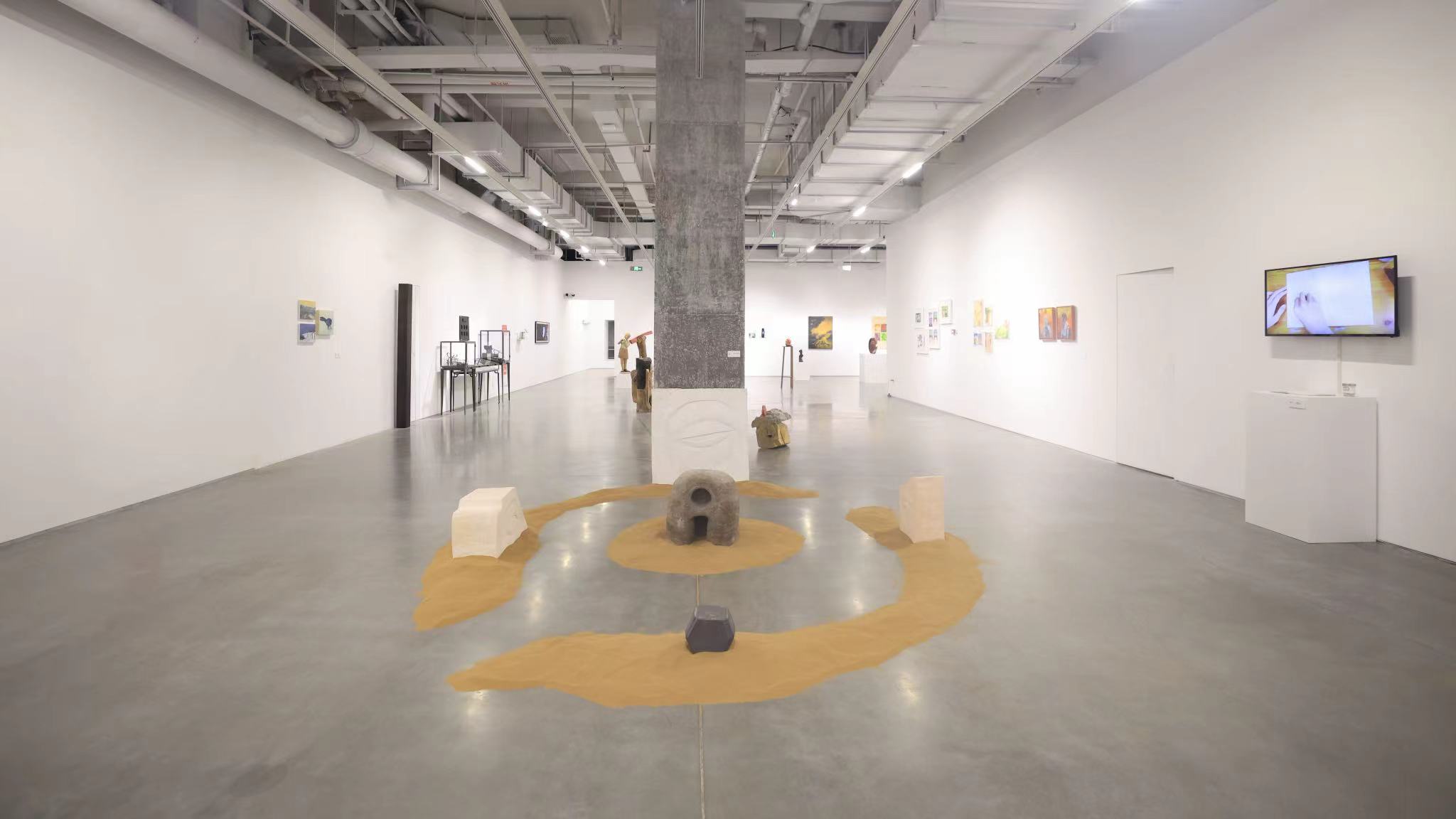
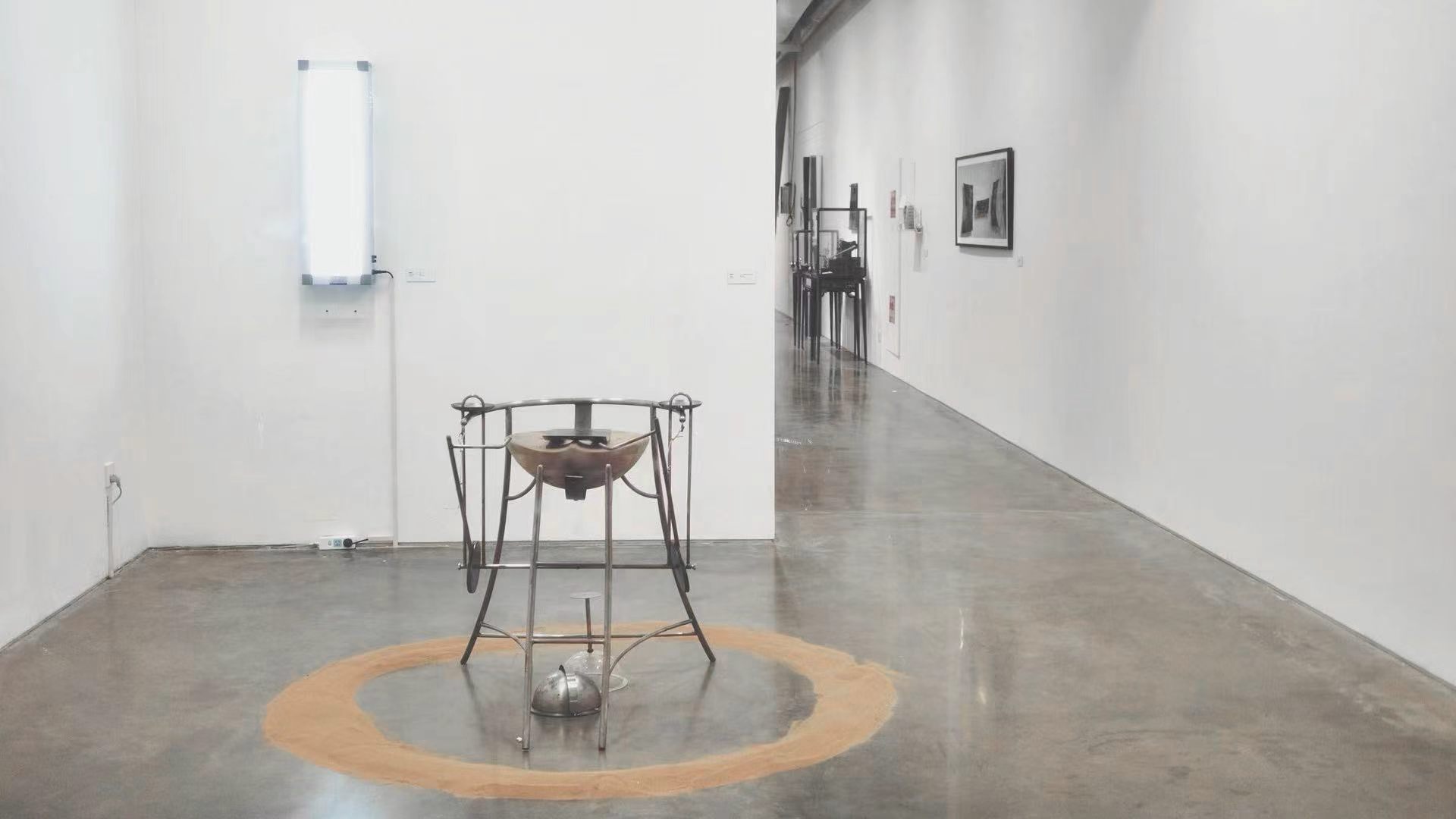
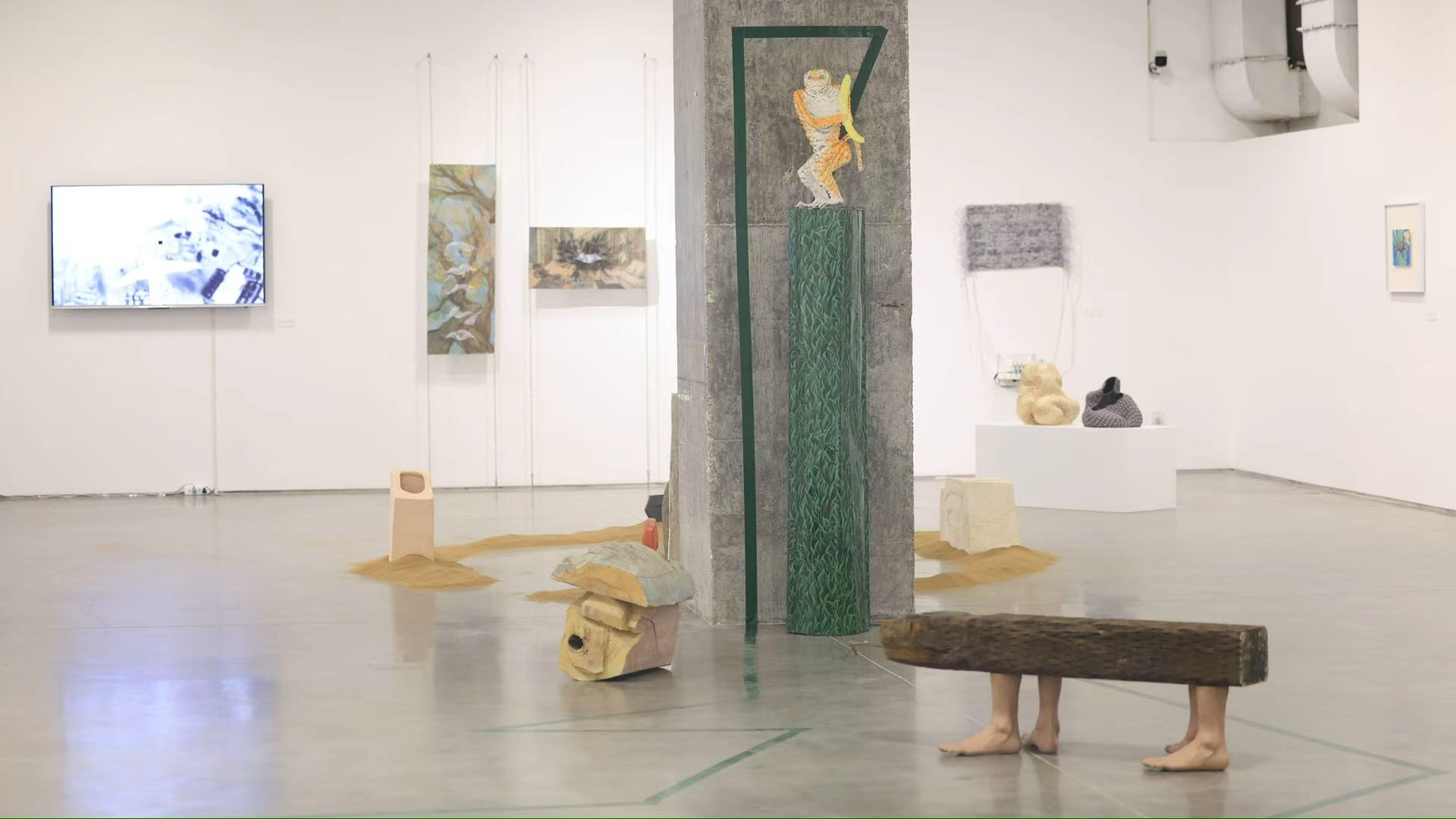
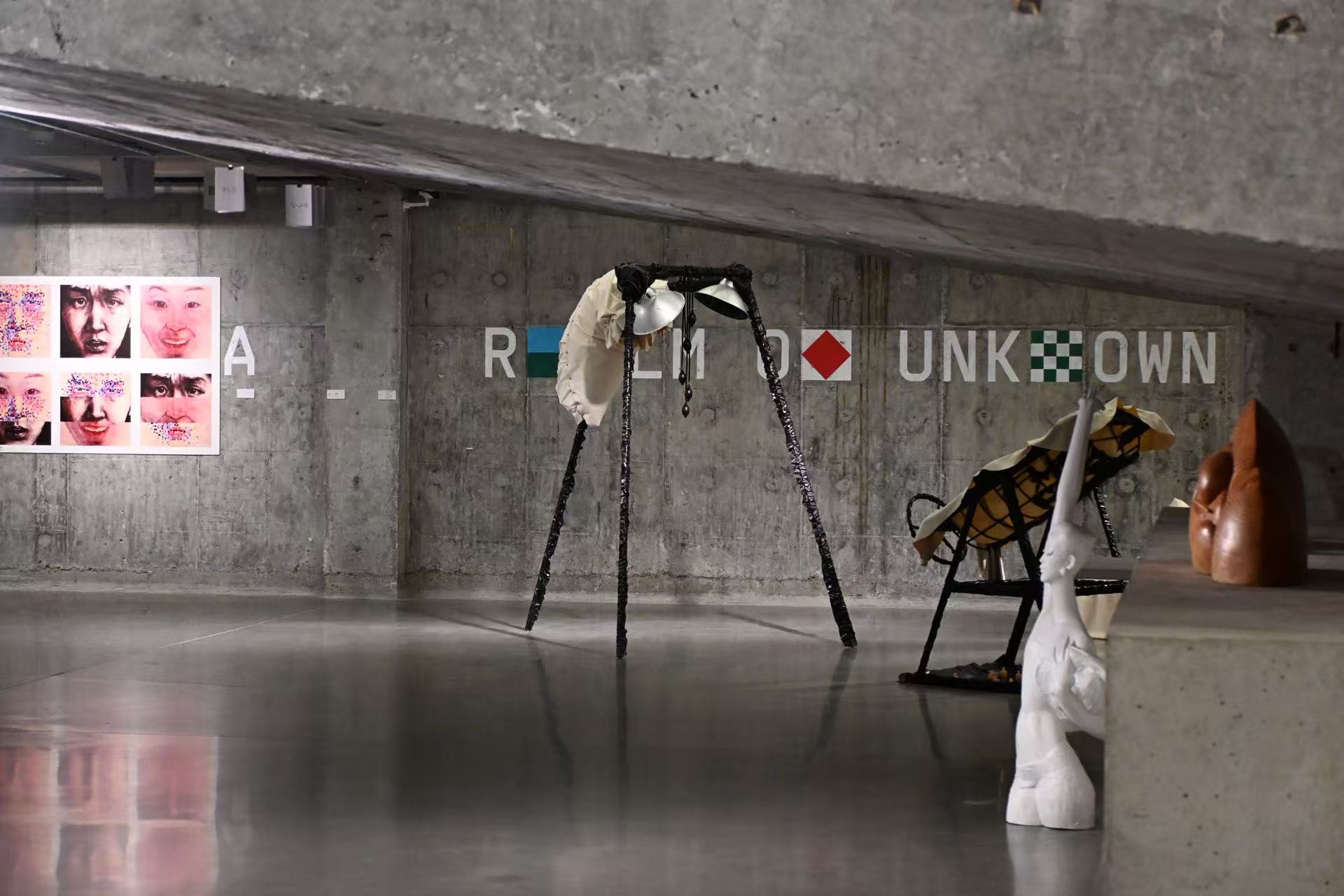
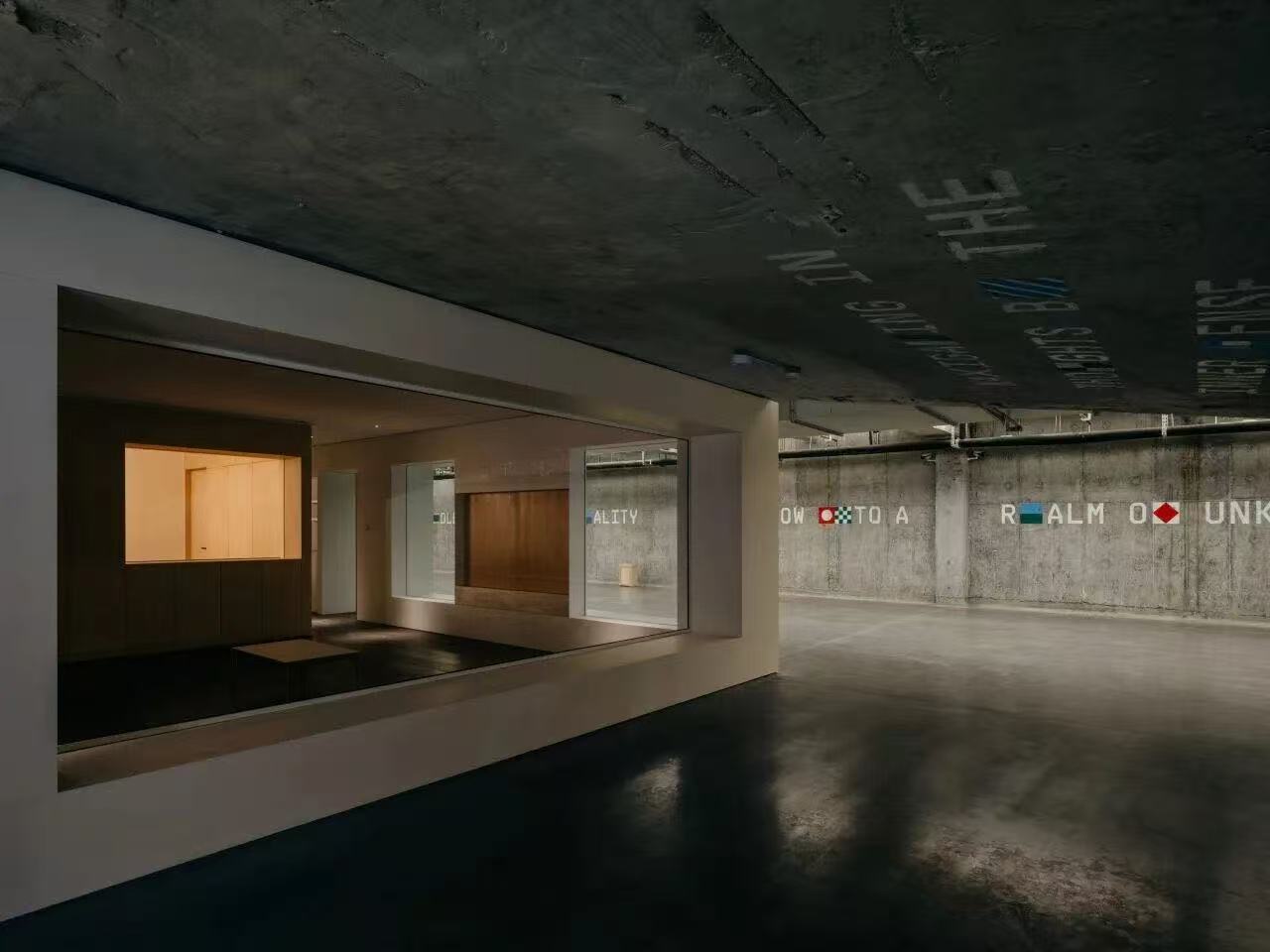
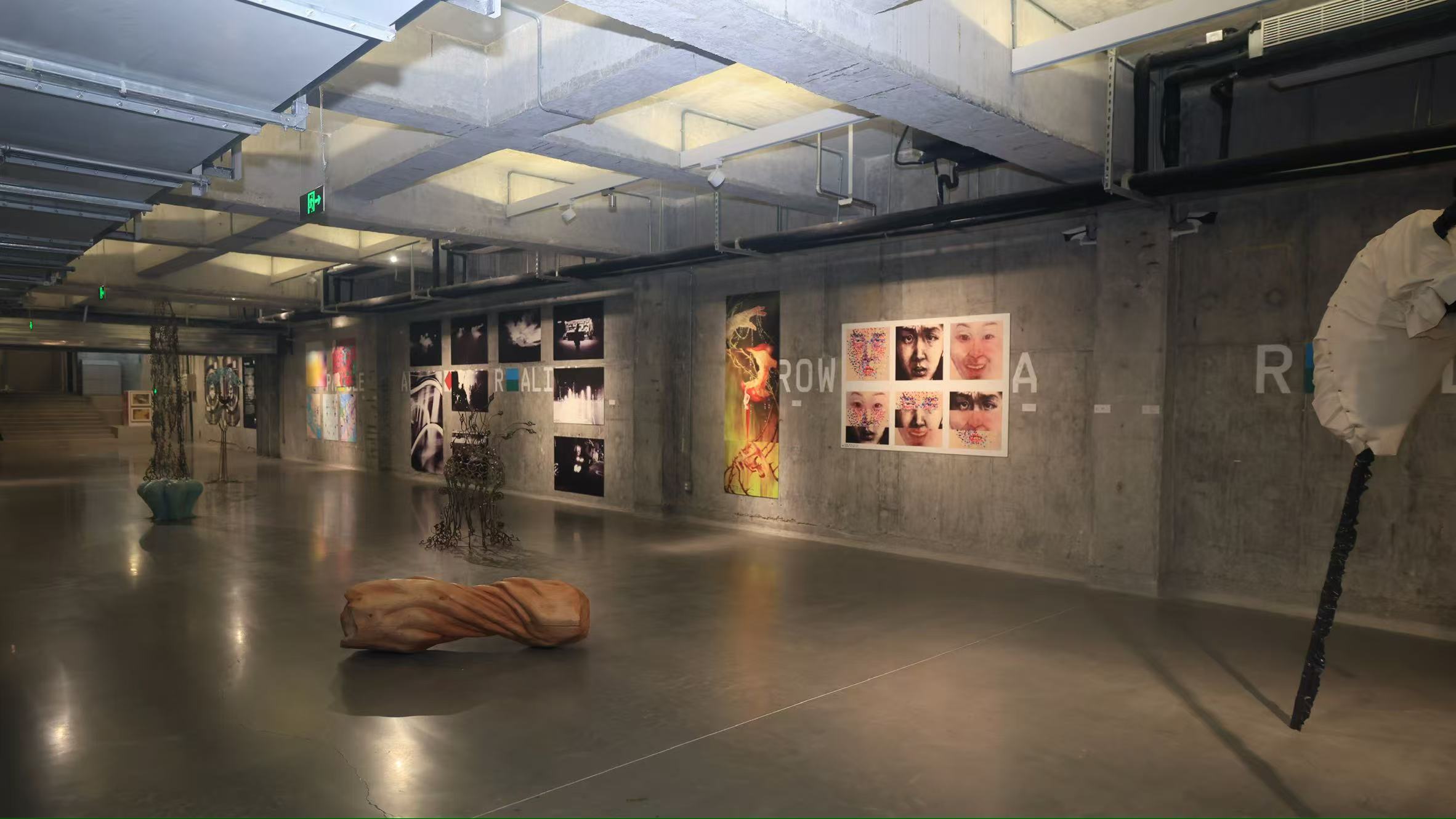
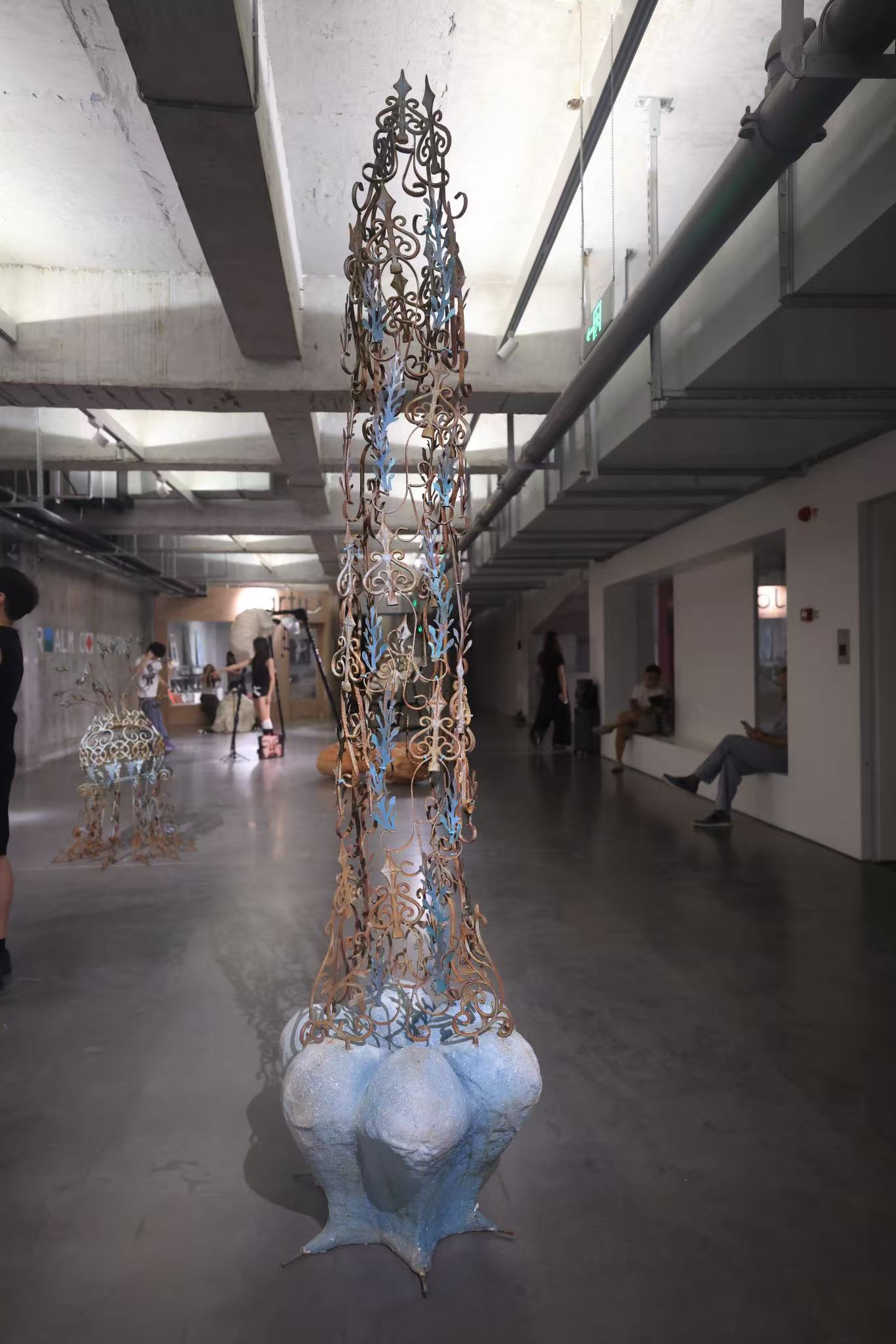
Huixiang explores the continuous relationship between an artist’s internal world and the external environments through which artistic identity is constructed, challenged, and reflected. The exhibition begins from the idea that artistic practice does not exist entirely within the individual, nor entirely within society; instead, it develops through a repeated movement between inward perception and outward encounter. To make this relationship visible, the exhibition is divided into two distinct but interconnected spatial zones. The inner gallery focuses on the artists’ internal processes of making and thinking. It presents finished works alongside sketches, experiments, fragments, studies, and works produced during academic and creative development, emphasizing that artistic identity is shaped not only by final outcomes but also by hesitation, repetition, failure, discovery, and everyday acts of making. This section creates a more introspective atmosphere, allowing audiences to encounter personal memory, emotional experience, symbolic imagery, and individual methods of understanding the world. In contrast, the outer gallery shifts toward the public dimension of artistic practice. Interactive installations, posters, graffiti, participatory works, and visually accessible interventions invite audiences to enter the exhibition physically and socially through movement, photography, interaction, and collective contribution. The outer space therefore functions less as a conventional display environment and more as an active field of exchange between artworks, visitors, and the surrounding community. The relationship between these two areas forms the conceptual foundation of Huixiang. The inner gallery represents the image that originates within the artist, while the outer gallery represents the moment when that image encounters external reality, other people, and public interpretation. Once an artwork enters this external space, its meaning can no longer be controlled entirely by its maker; it is reflected, altered, misunderstood, expanded, and returned through the responses of others. The Chinese title ‘回像’ therefore suggests both an image and its return—a process in which artistic expression leaves the self, enters the world, and comes back transformed. Through its spatial structure, the exhibition presents artistic identity not as something fixed or isolated, but as something continually produced through the circulation between self and society, private experience and public space, creation and reception. In this sense, Huixiang becomes an exhibition about reflection itself: how artists see themselves through their work, how audiences become part of that process, and how artistic practice can function as an ongoing negotiation between the internal and external worlds.