To The Wobbly Sun
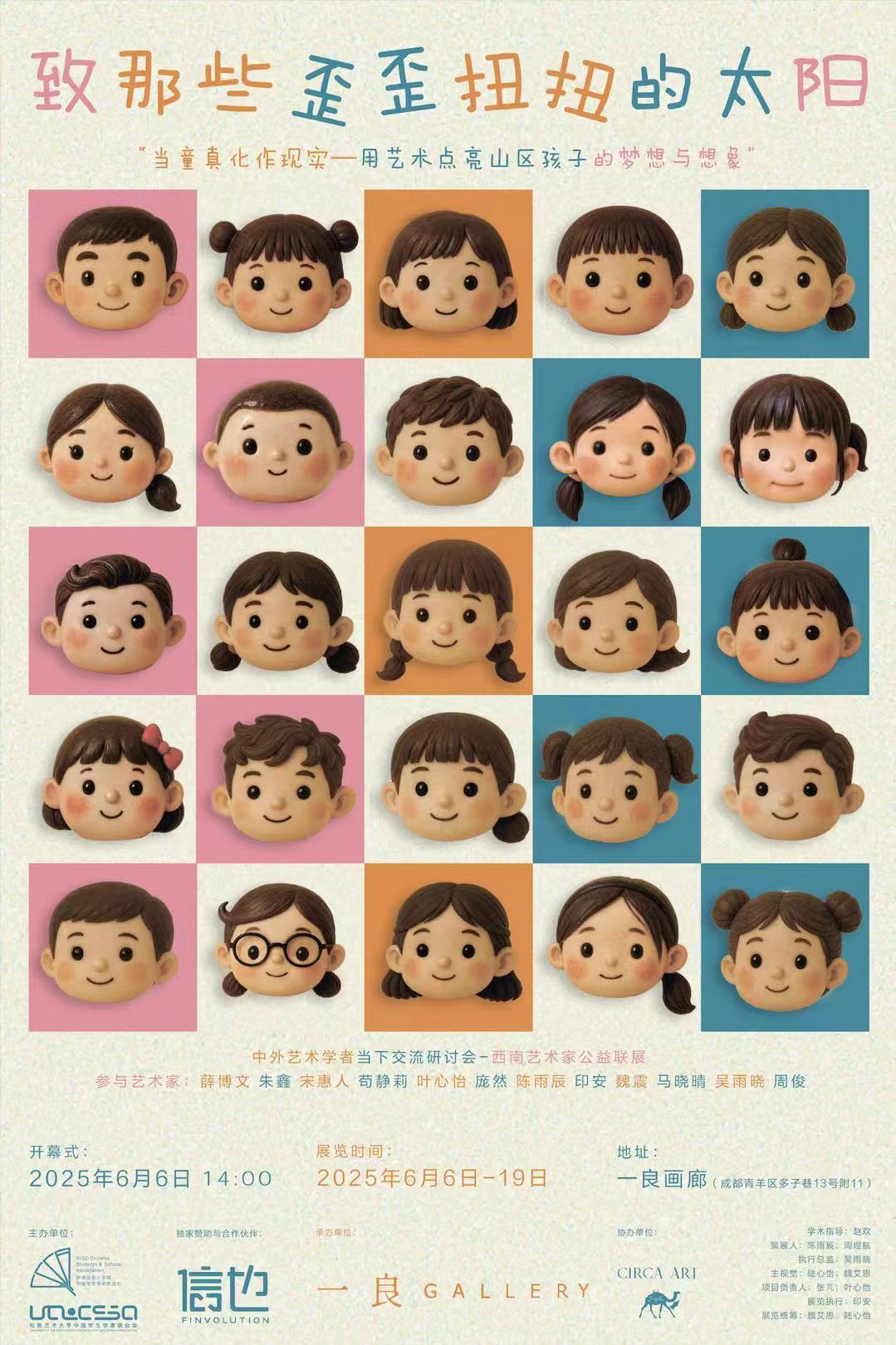
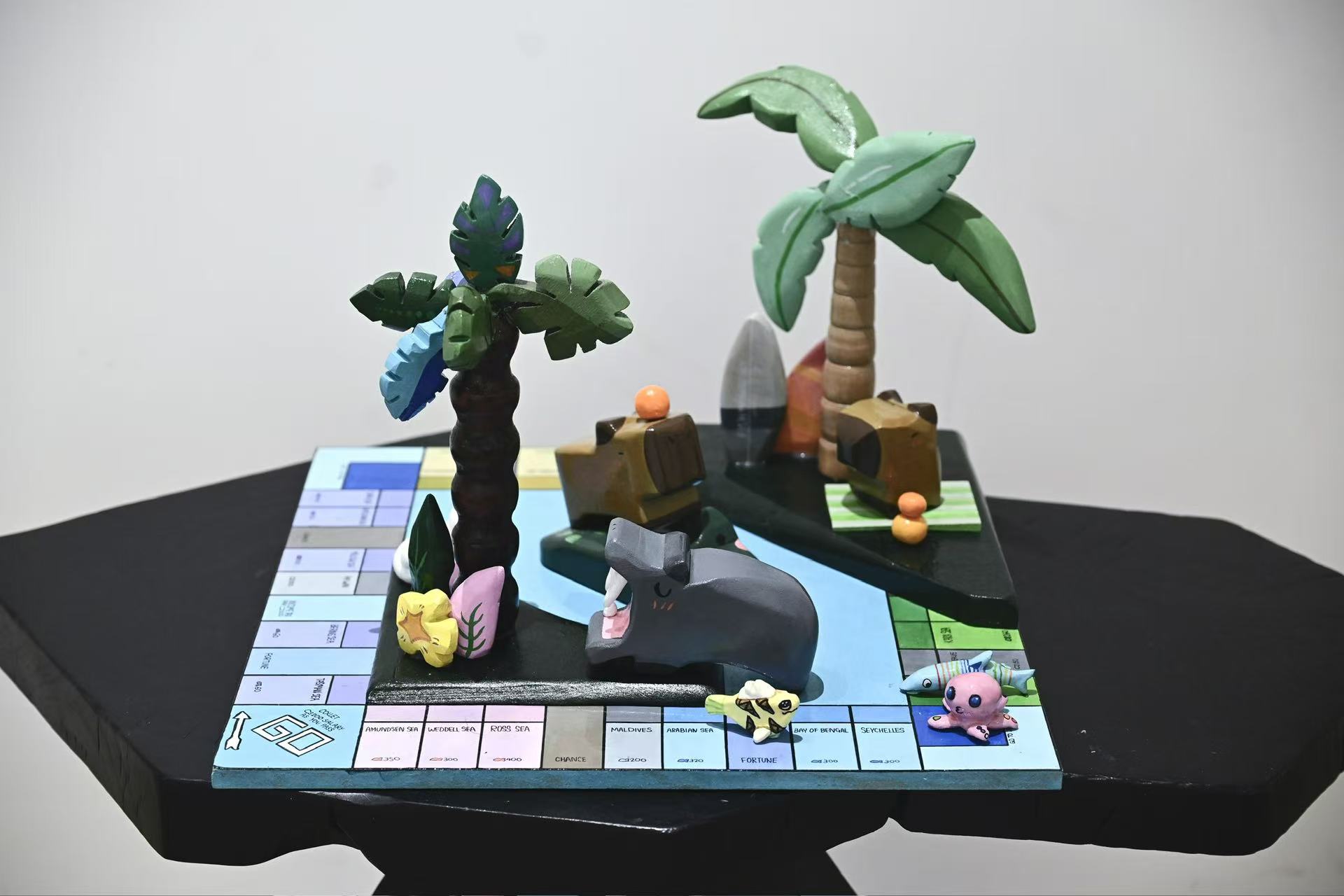
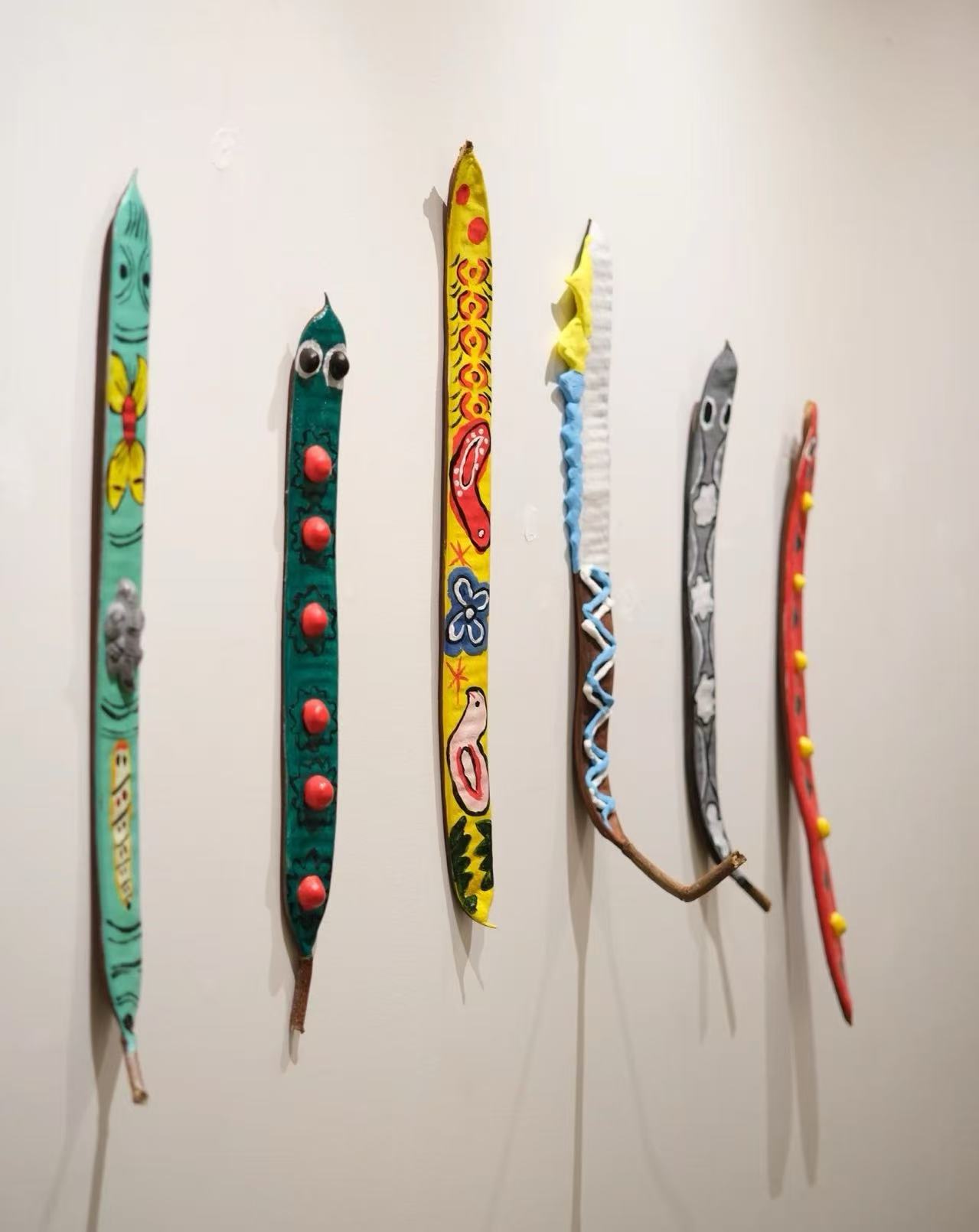
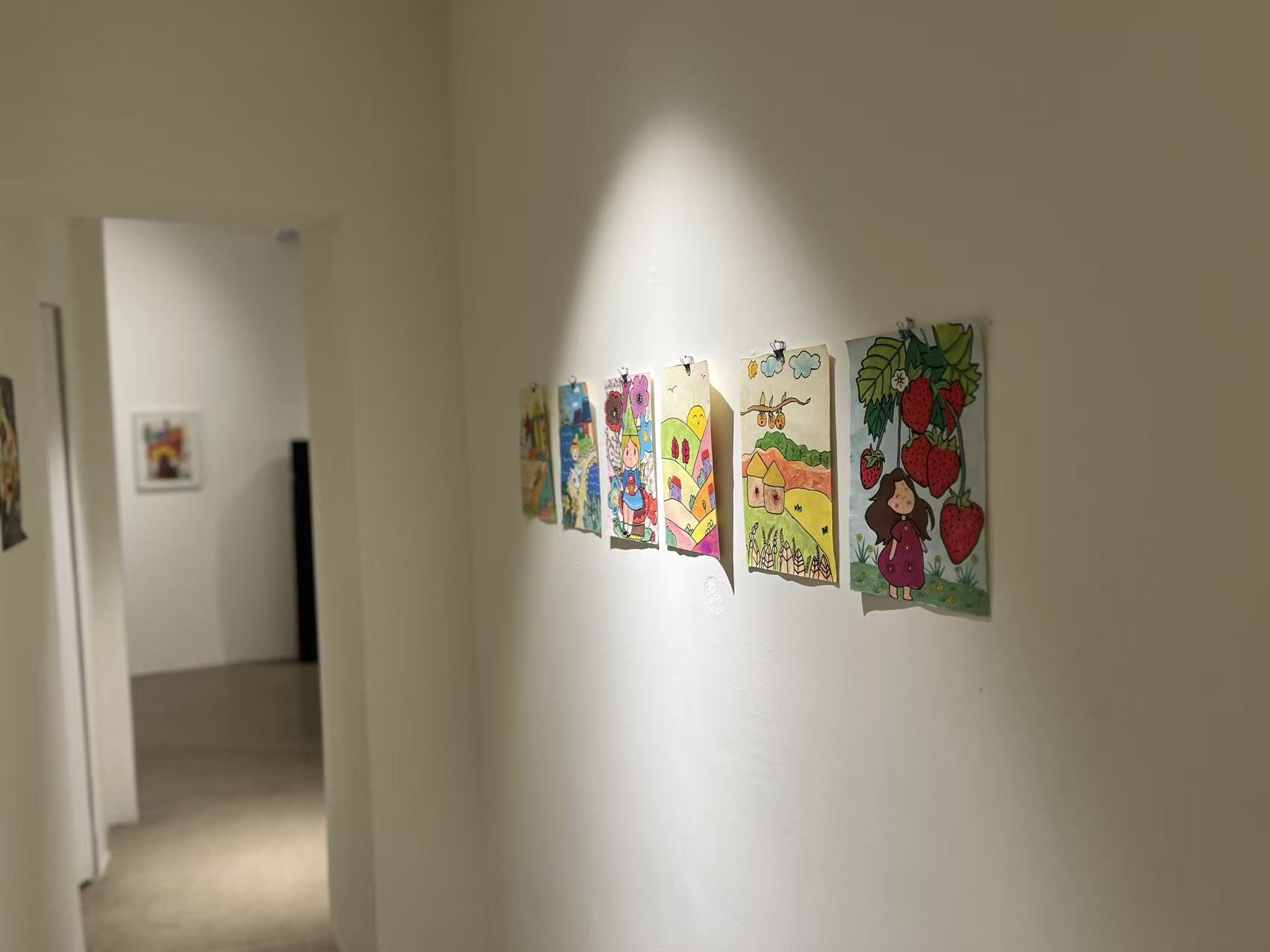
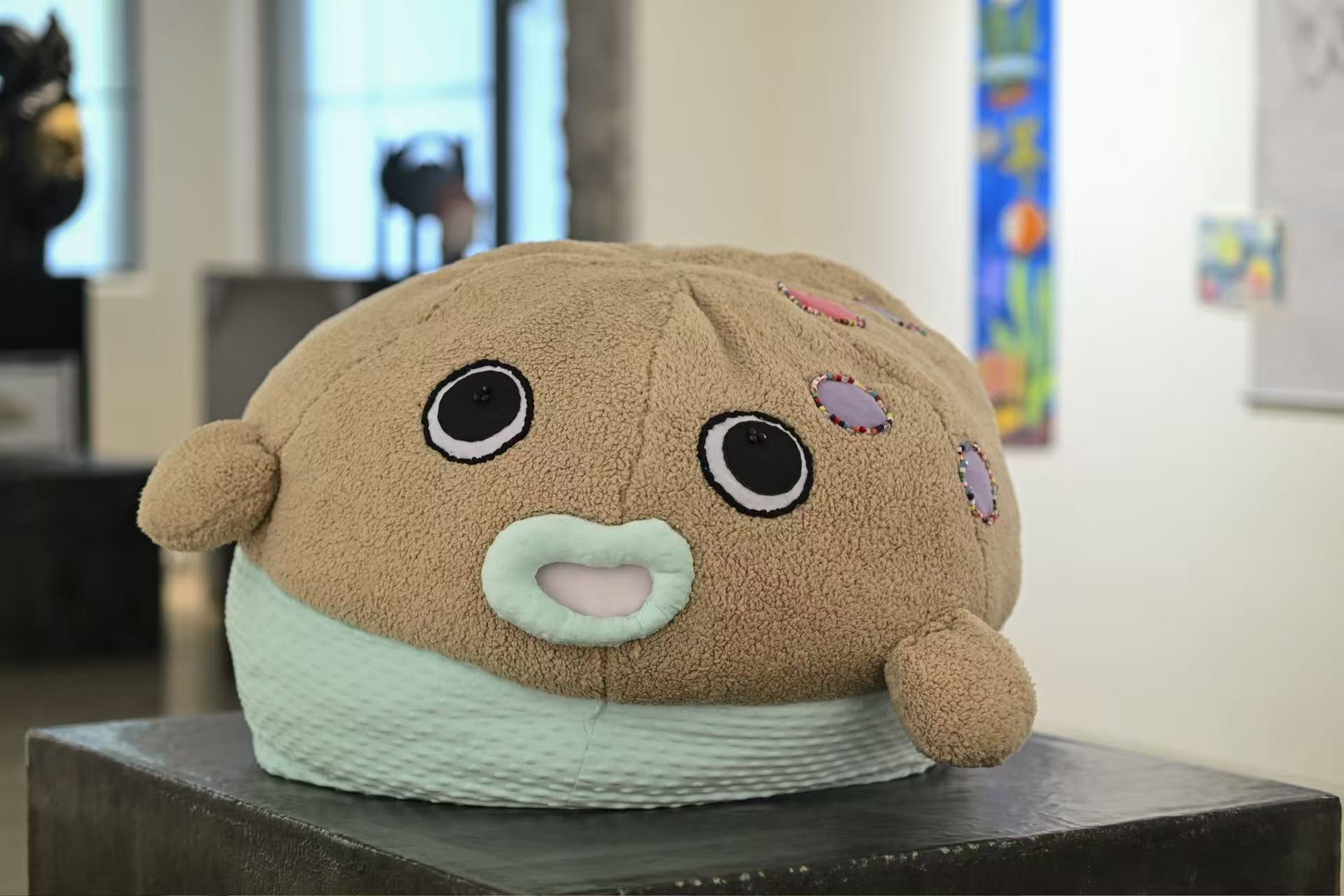
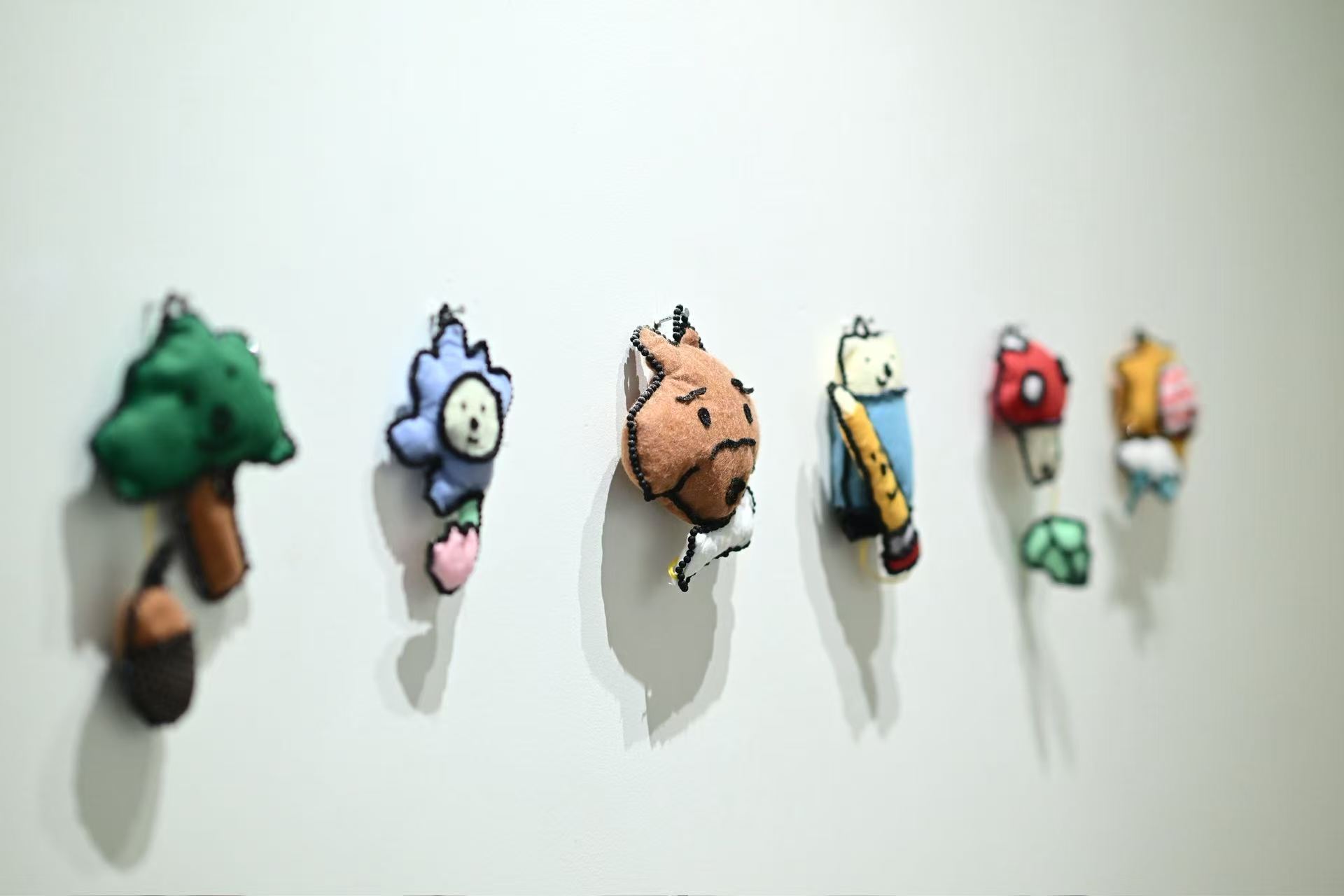
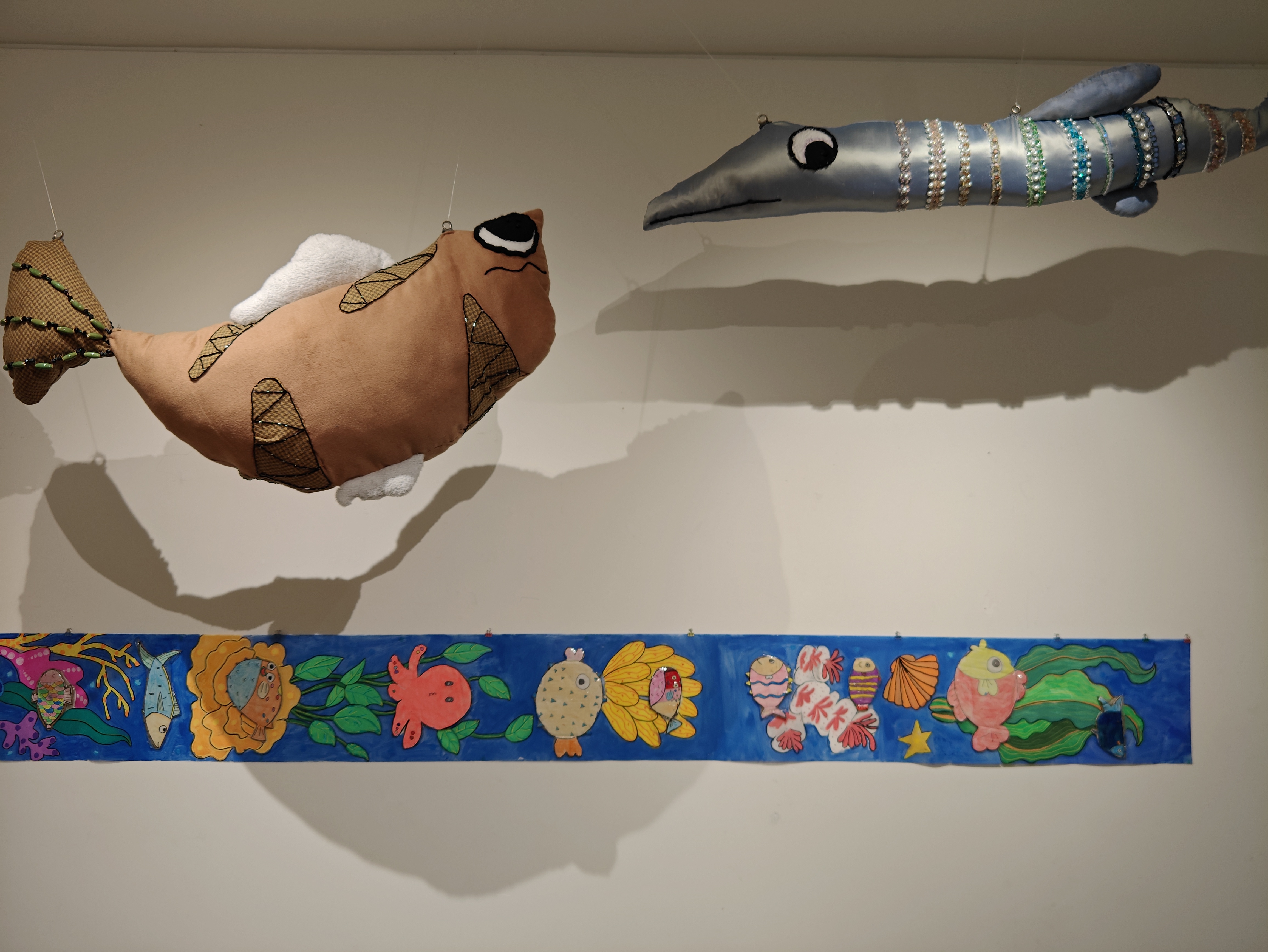
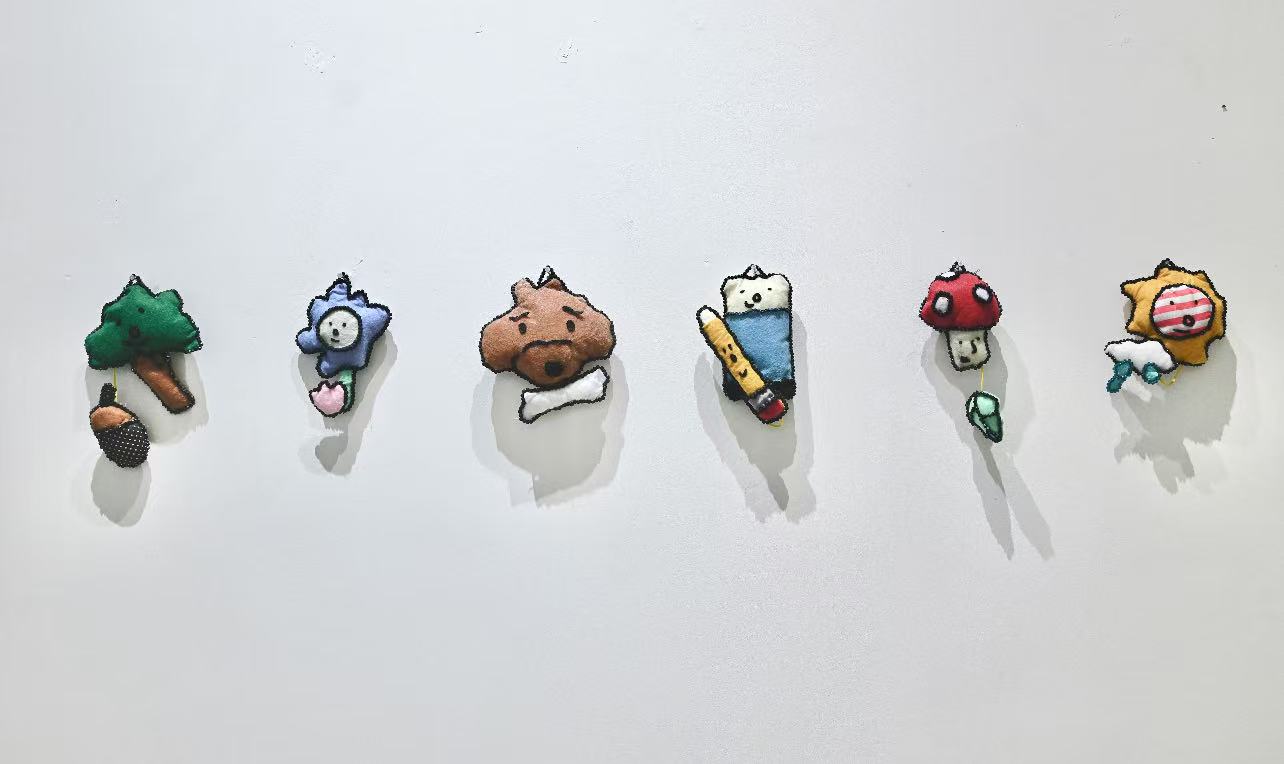
To the Wobbly Sun begins with drawings created by children from mountainous regions of Yunnan and explores how children’s imagination can be translated from two-dimensional images into physical, public, and participatory forms. The project does not approach these drawings as incomplete versions of adult artistic expression, but instead recognizes them as autonomous visual languages shaped by personal experience, observation, emotion, fantasy, and local environments. The irregular lines, unusual proportions, unexpected colors, and imagined characters found in the children’s works become the foundation for a series of toys, sculptural objects, and installations. By transforming the drawings into three-dimensional forms, the exhibition creates a process of translation between image and object, imagination and material, private expression and public encounter. This transformation also allows the children’s ideas to occupy a different cultural context: drawings that may originally have existed only in classrooms or on pieces of paper are enlarged, reconstructed, and placed within an exhibition environment where audiences are invited to encounter them as serious creative propositions. At the same time, the project engages with broader questions surrounding unequal access to arts education and cultural resources in rural communities. Rather than framing children from under-resourced regions primarily through narratives of disadvantage, To the Wobbly Sun emphasizes their creative agency and the originality of their perspectives. The exhibition asks what it means for an art institution to become a platform through which voices that are often absent from mainstream cultural spaces can be amplified without being romanticized or simplified. The title itself reflects this perspective: a ‘wobbly sun’ may appear technically imperfect according to conventional standards of representation, yet its irregularity contains imagination, individuality, and emotional truth. Through this idea, the exhibition challenges standardized definitions of artistic correctness and proposes creativity as something that emerges precisely through difference, uncertainty, and personal ways of seeing. Ultimately, the project operates across art, design, education, and social engagement, using the transformation of children’s drawings as a way to reconsider whose imagination is valued, how creative expression is shared, and how artistic practice can connect communities with very different cultural and educational experiences.